

Hydrogen peroxide: H202. The odds are that you already have it in your house. If not, you can pick it up at any grocery store or drug store for just a couple of dollars. In fact, it’s one of the lowest-cost, handiest household supplies there is. And you would be surprised at just how many ways you can use it for cleaning, hygiene, healing, style, and more. I’m going to share a ton of amazing hydrogen peroxide uses with you, but first, I want to introduce you to this incredible chemical compound and its properties!
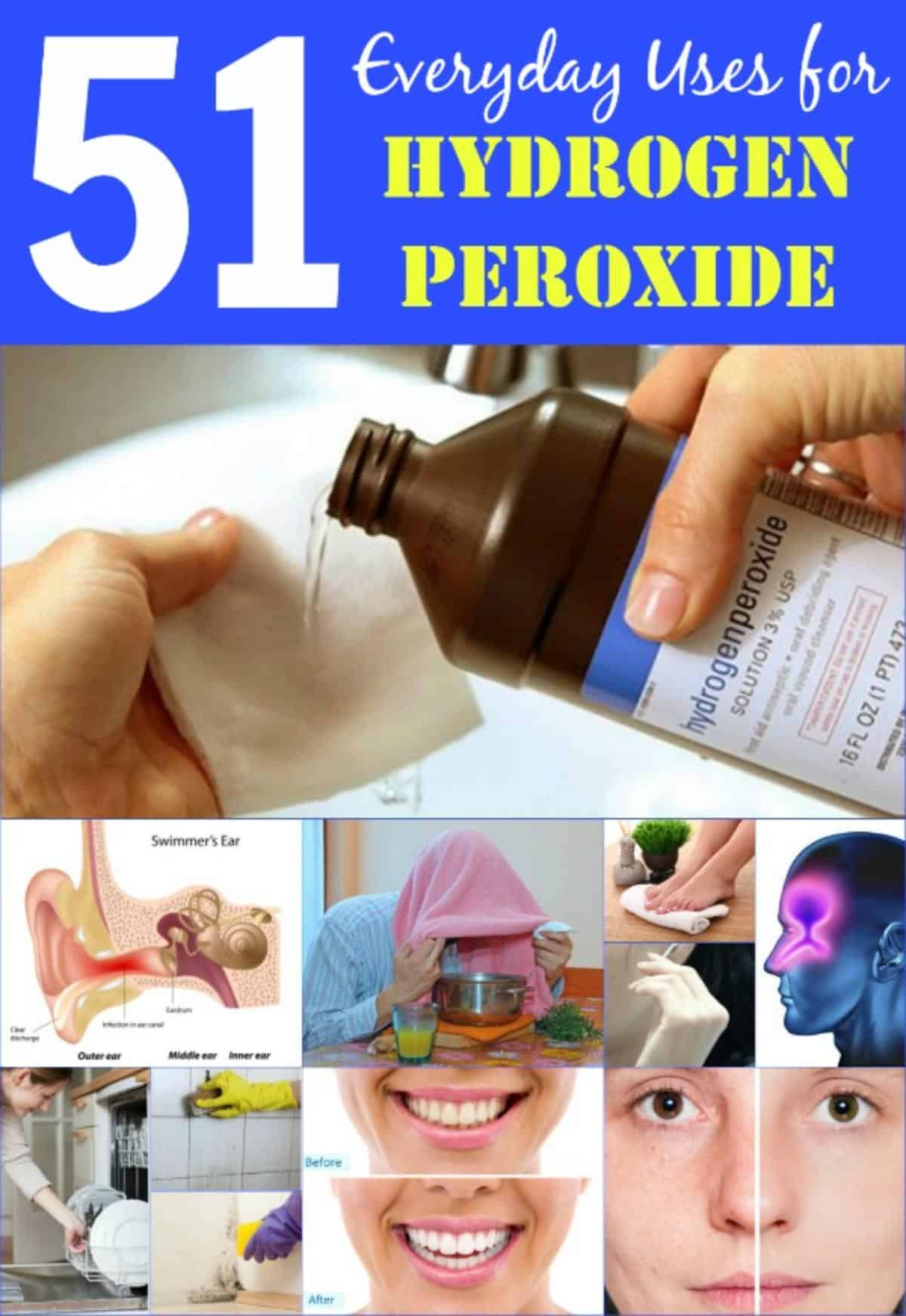
Hydrogen peroxide is a colorless liquid, only a little more viscous than water. On sight, it actually looks exactly like water. It has powerful oxidizing properties, which allows it to work as a bleaching agent (as anyone who has ever bleached their hair knows, peroxide reacts with melanin to oxidize it and convert it into a compound that is free of color). Hydrogen peroxide’s same oxidizing properties allow it to react with bacteria, viruses, spores, and yeasts, making it a great disinfectant. Also, interestingly enough, in high concentrations, it can be used as a propellant in rocketry.
If you have ever used hydrogen peroxide to disinfect a cut, you probably have noticed all the fizzing and bubbling that happens. There is a misconception that this is the “last gasp” of the dying organisms. What it really is, is the result of the H202 bonds breaking during the reaction. One of the oxygen molecules is liberated, leaving H20 (water!) behind. The free oxygen molecules are what you see bubbling to the surface. Isn’t science awesome? But now, let’s get on to the many amazing applications of hydrogen peroxide around the home!
Jump to:
- Medicinal Uses
- Clean and disinfect minor wounds
- Get rid of acne and boils
- Cure canker sores
- Expunge bad breath
- Fight foot fungus
- Treat colds
- Get rid of an ear infection
- Clear out ear wax
- Deal with a sinus infection
- Tackle a toothache
- Take a detoxifying bath
- Treat a yeast infection
- Hygiene and Beauty Uses
- Whiten your teeth
- Make a toothpaste
- Use it as a deodorant
- Clean your contact lenses
- Whiten your nails
- Cover your roots
- … Or gradually lighten your hair
- Disinfect your toothbrushes
- Soften calluses and corns
- Uses for Cleaning Around the House
- Disinfect your countertops
- Whiten your grout
- Clean your mirrors
- Wash out your toilet bowl
- Clean your tiles
- Kill mold
- Uses in the Kitchen
- Clean a cutting board
- Add it to the dishwasher
- Get rid of stubborn caked-on food
- Disinfect your dishrags and sponges
- Clean your fruits and vegetables and keep them fresh
- Keep a salad fresh
- Clean your fridge
- Miscellaneous Uses
- Clean your rugs and carpets
- Clean your kids’ toys
- Replace the bleach in your laundry room
- Brighten tablecloths and curtains
- Wash your shower curtains
- Remove tough stains from clothing
- Get rid of odors in your clothing
- Disinfect children’s lunchboxes
- Disinfect the inside of a cooler
- Disinfect reusable bags
- Clean a dehumidifier (or a humidifier)
- Boost plant growth
- Kill mites
- Remove algae from an aquarium
- Add oxygen to a bag while transporting fish
- Treat wounds in animals
- Induce vomiting to save the life of a pet
- And finally …
Medicinal Uses
Hydrogen peroxide is perhaps best known for its medicinal uses; this is after all why it tends to be sold in the pharmaceutical section of the store. Here are some commonly known medicinal uses for hydrogen peroxide as well as a few you probably aren’t aware of!
Clean and disinfect minor wounds
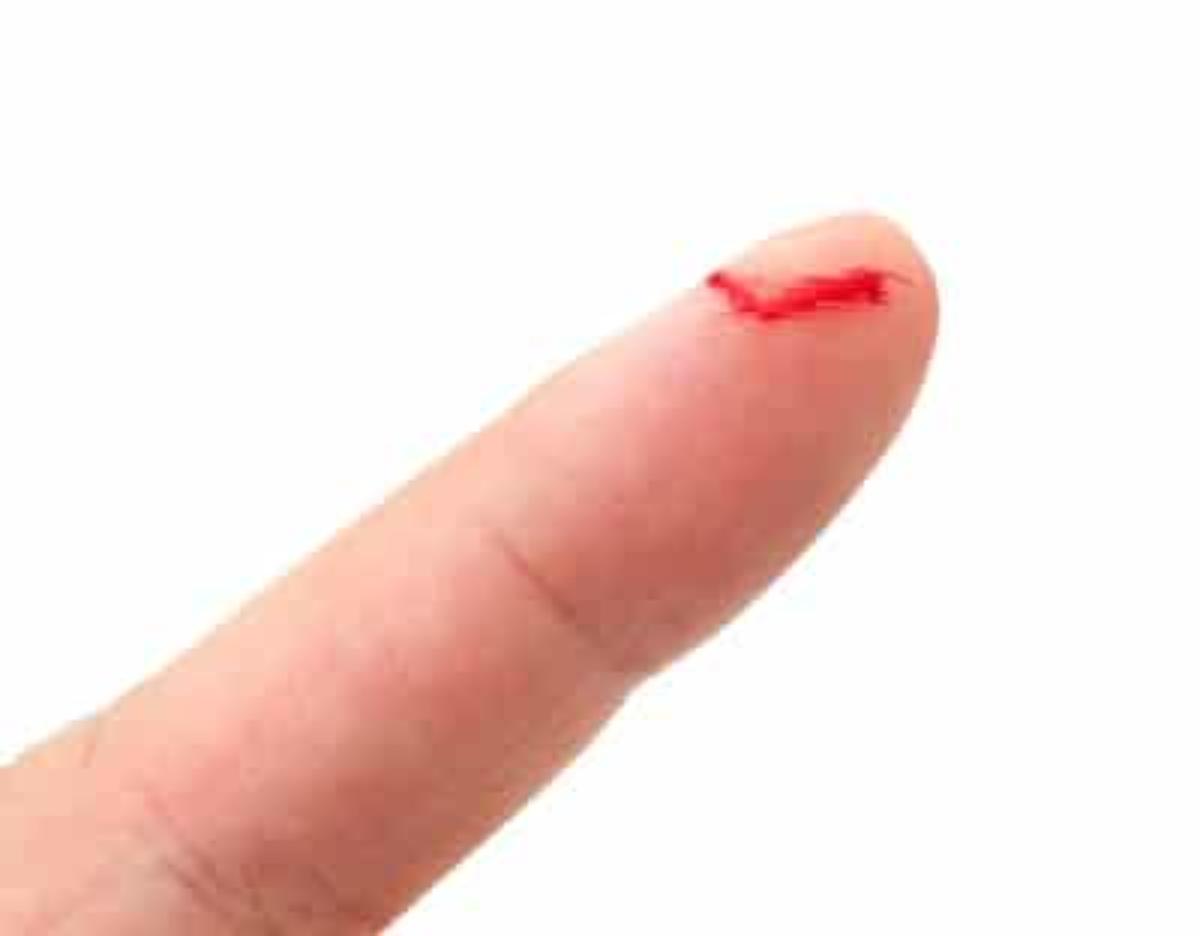
This is one of the most obvious uses. If you have hydrogen peroxide in your home, it may be the reason. The 3% solution you can buy at the drugstore can be applied directly to minor wounds to clean away dead tissue. It can halt minor bleeding, and can help to clear up infections or prevent infections from setting in. It is generally recommended to only apply the hydrogen peroxide once since doing it too many times may also inhibit friendly bacteria, which help to facilitate healing.
Get rid of acne and boils
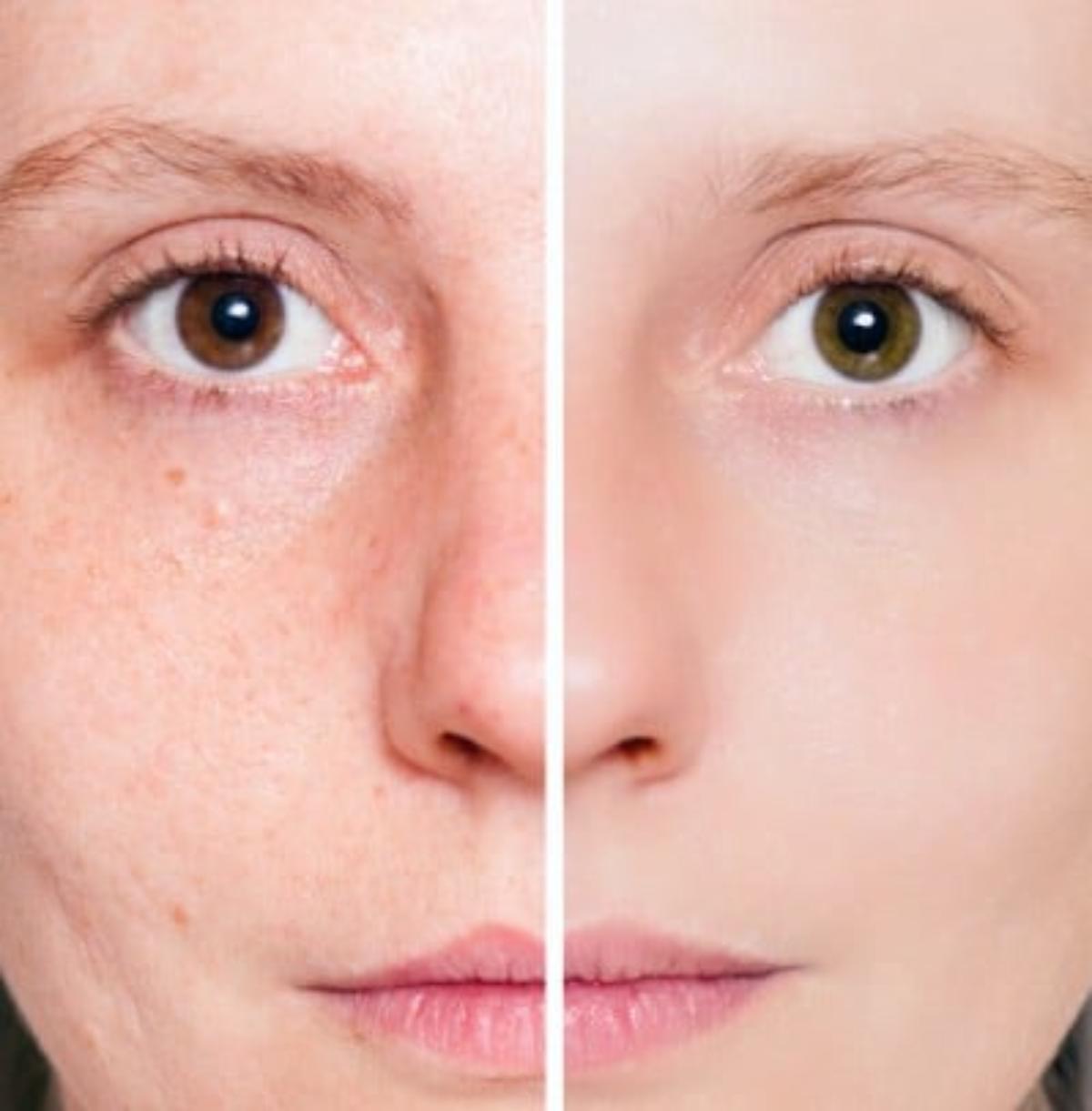
While you are at it, if you have infected acne, you may be able to speed up the healing process by applying a little hydrogen peroxide to the infected sites. It will act just the same way it does on wounds, helping to kill the unwanted bacteria and cleanse the area. Just as with wounds, you do not want to overdo this! Just apply it once. If you apply it too many times, you will kill the good bacteria too.
Cure canker sores
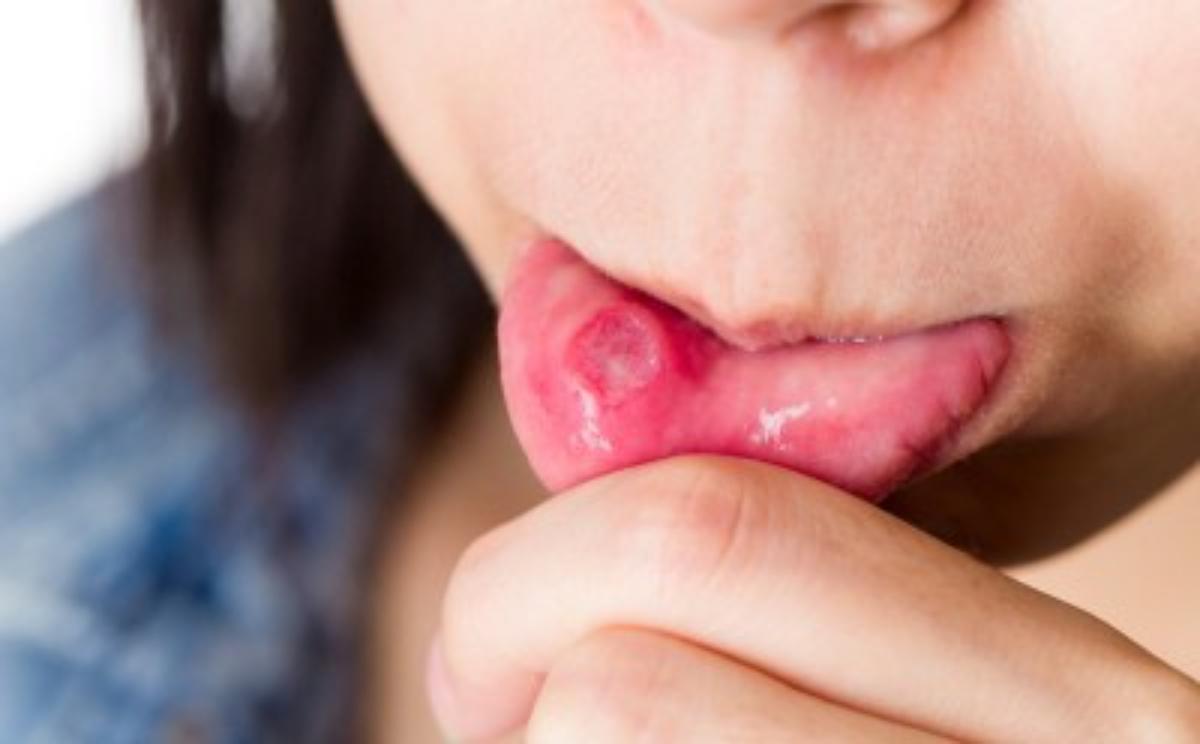
If you have canker sores in your mouth, you may be able to get them to go away faster by swishing some hydrogen peroxide in your mouth. Combine it with water so that you don’t cause any irritation or blistering in your mouth (a concentration of hydrogen peroxide that is too high can do this in large amounts). Swish it around for half a minute or so, and then spit it out and rinse with fresh water.
Expunge bad breath

Can’t get rid of your bad breath by brushing your teeth? One great alternative to mouthwash for bad breath is hydrogen peroxide. Since hydrogen peroxide kills the unhealthy organisms in your mouth that cause bad breath, all it takes is half a minute of swishing to get bad breath to go away. You may be surprised how effective this is. In fact, if all you have is minor bad breath once in a while, just swishing with hydrogen peroxide once a week could mean you are good to go for the rest of the week. Just make sure you don’t overuse it because it can kill good bacteria in your mouth, too.
Fight foot fungus

Athlete’s foot is no fun! If you are tired of all that itching, you may find that hydrogen peroxide is a helpful antidote, thanks to its antifungal properties. This is largely an anecdotal use, but many people claim that they have successfully cured foot fungus infections just by applying a mixture comprised of equal parts water and hydrogen peroxide. While I have never tried this, I have applied it to my shower shoes to get rid of the fungus on them. Doing this routinely seems to reduce the number of occasions where I end up getting it on my feet. This works pretty well as a preventative measure.
Treat colds
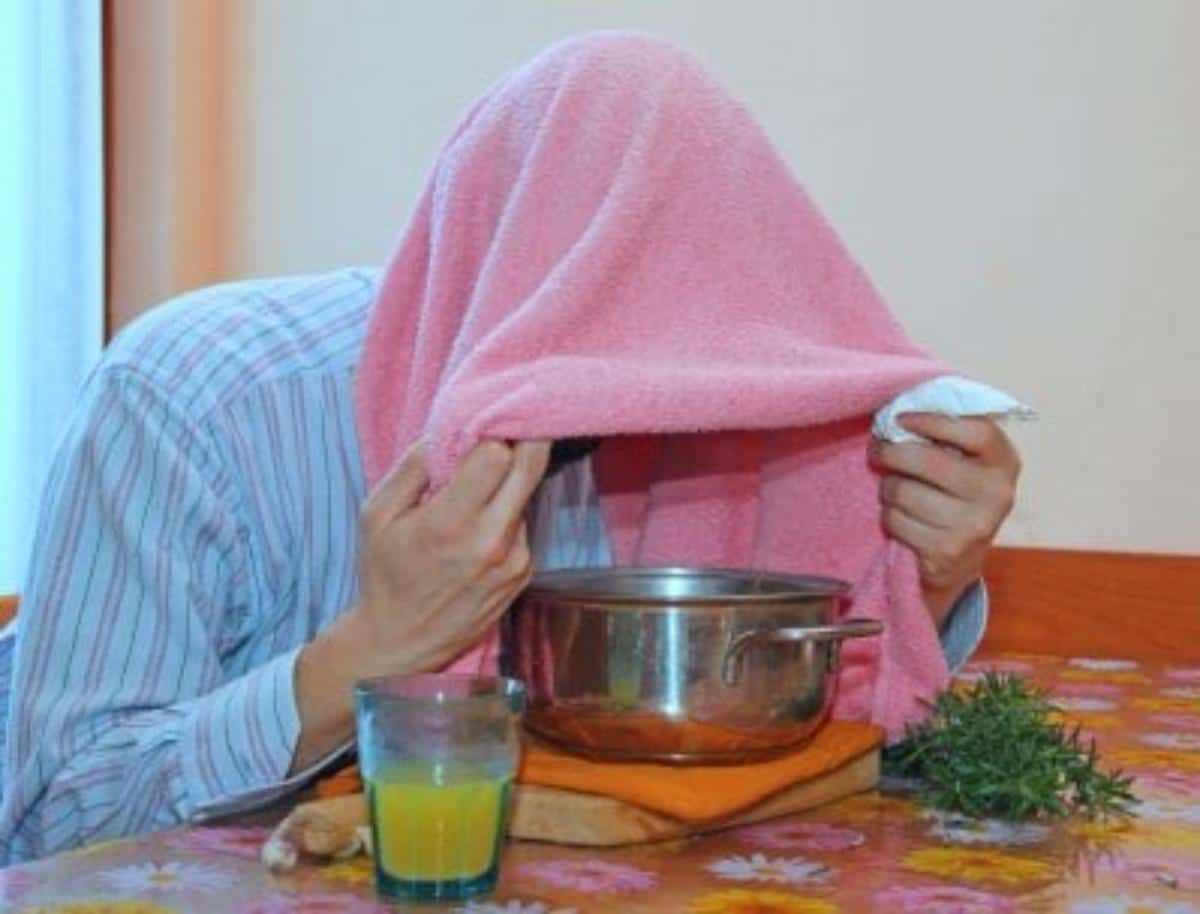
There is no cure for the common cold, and hydrogen peroxide is no exception to that rule. But there are things you can do to treat a common cold, and many people report that one great method is to put a couple of drops of hydrogen peroxide in your ears. This can help to clear out any infection or blockage in your ear.
Get rid of an ear infection
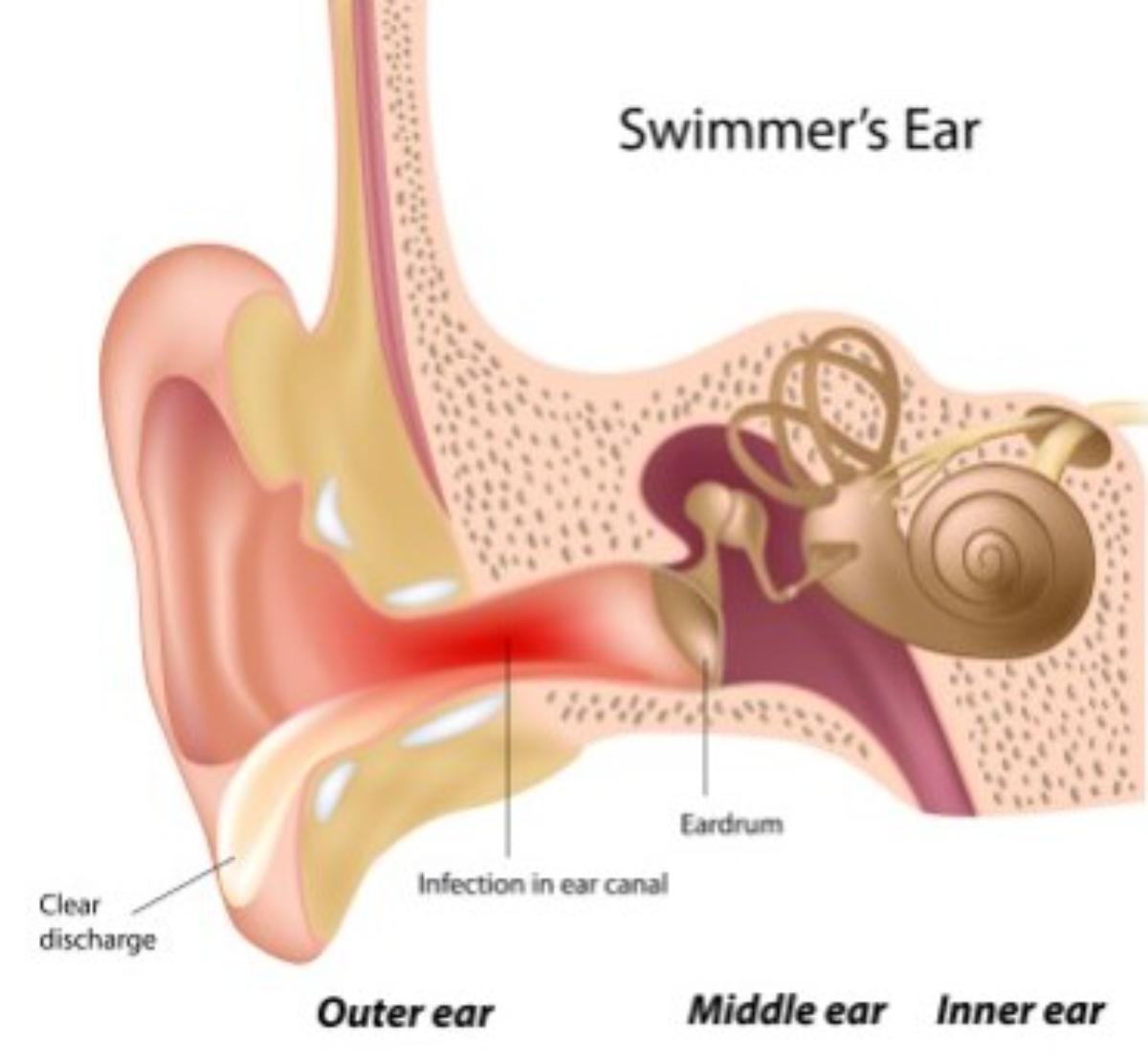
While we’re at it, you can also use hydrogen peroxide drops in your ear to take on an ear infection. Just know that you may need medical attention; you cannot cure all ear infections on your own, and they can get serious. So don’t let this stop you from going to the doctor!
Clear out ear wax
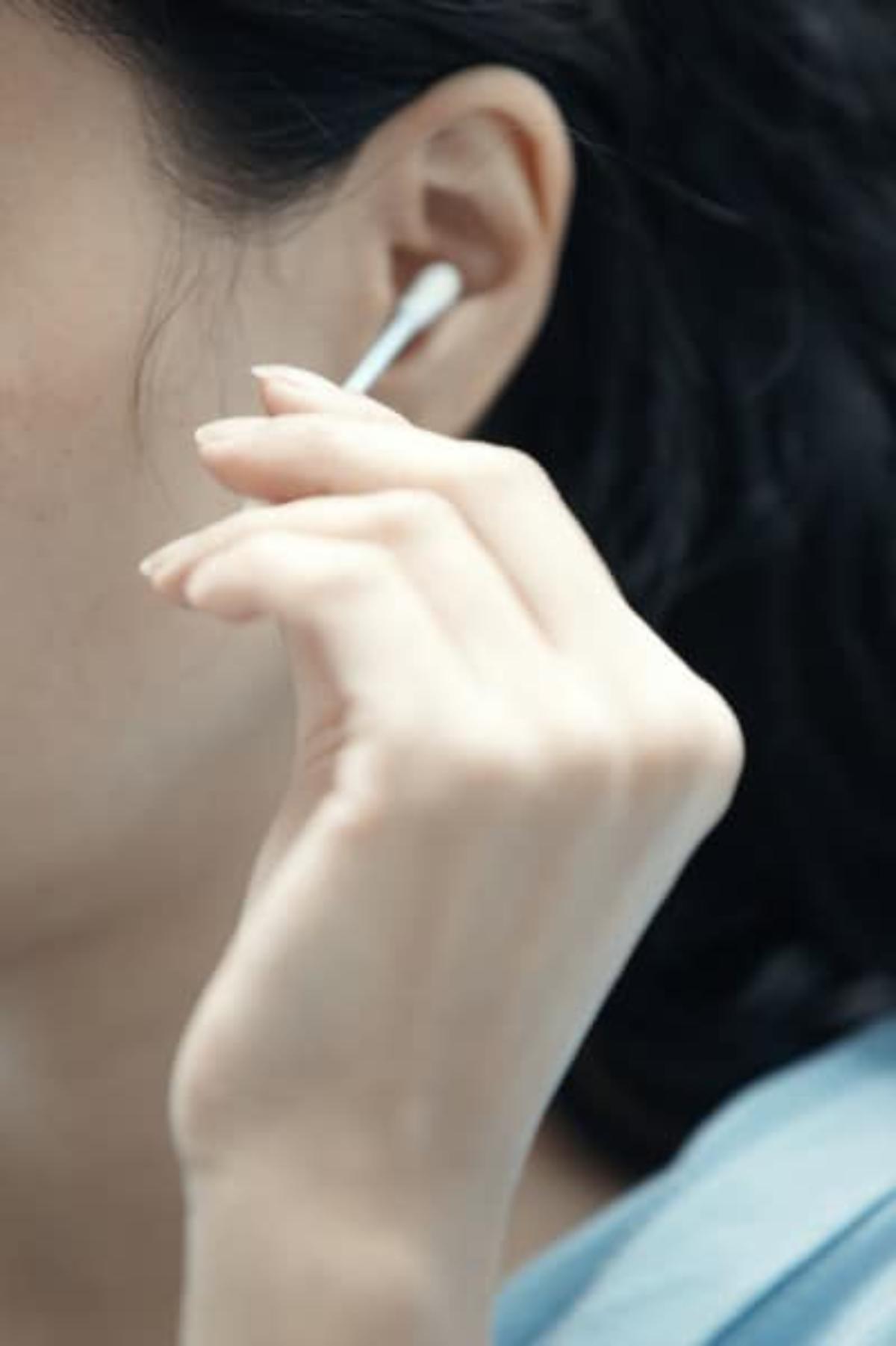
Ear wax isn’t an infection, but it can certainly drive you crazy when it blocks up your ear so much you have trouble hearing! Just as you can use hydrogen peroxide drops to get rid of infections in your ear, you can also use them to clear up excess wax. Try adding a couple of drops of olive oil and then follow it up with a couple of drops of hydrogen peroxide. Keep your head tilted for about a minute, and then tilt it back the other way and let the mixture drain out. You may also want to gently flush your ear out with warm water.
Deal with a sinus infection

I would be cautious about this one (actually, personally I wouldn’t try it), but many people report success without any adverse effects. Mix 3% hydrogen peroxide with an equal part of water in order to dilute it, and then put it into a nasal spray container. Spray it into your nose and then blow it back out after a moment. This in theory will kill the sinus infection.
Tackle a toothache
Have an awful toothache and can’t make it to the dentist right now? Try putting some hydrogen peroxide in your mouth mixed with water and hold it there for a few minutes. Most people who use this method suggest that you hold it for ten minutes if you can. This reportedly relieves a significant amount of the pain. Some people even do this several times a day, but I caution you to avoid overuse since you don’t want to kill the good bacteria in your mouth.
Take a detoxifying bath

If you want to give your bathwater a detoxifying boost, try adding two quarts of peroxide to your bathwater. Soak in the bath for half an hour. This can be a great idea if you are sick and want to make sure you emerge from the bathtub actually clean of germs.
Treat a yeast infection

If you use douching as a method to treat a yeast infection, try adding a couple capfuls of hydrogen peroxide to the mix. You may find that this controls or even cures your yeast infection.
Hygiene and Beauty Uses

Hydrogen peroxide has many uses for hygiene and beauty and is a great supply to have handy in your bathroom. Some of these uses overlap with medicinal uses since they have both a health and beauty effect.
Whiten your teeth
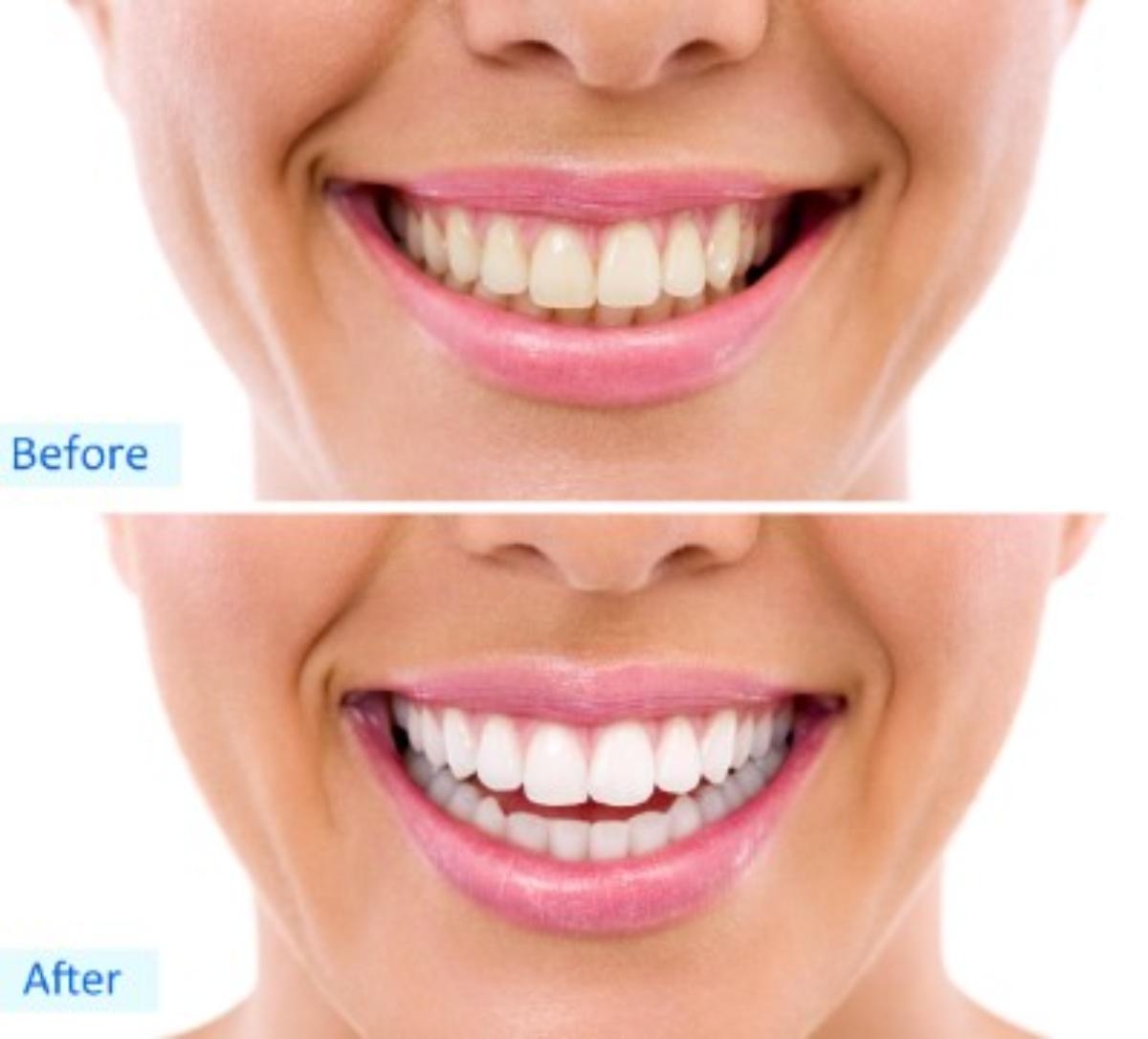
Remember earlier when I said you could use hydrogen peroxide as an effective mouthwash to get rid of bad breath? It has the other main benefit of mouthwash, too, which is teeth whitening! Remember, peroxide acts as a bleaching agent. That means that swishing it around in your mouth helps to bleach your teeth, too. I have noticed instantaneous results with this. If my teeth look a little yellow and I swish for just half a minute and spit, my teeth look significantly lighter right afterward. Do this as a weekly routine and you will keep your smile looking bright.
Make a toothpaste
If you are not a fan of toothpaste that comes in a tube and has all kinds of questionable artificial ingredients, you can make your own toothpaste at home. You can do this using baking soda by itself if you like, or you can make it even more effective by mixing baking soda with hydrogen peroxide. This also works great in a pinch if you simply forgot to put the toothpaste on your grocery store list before you headed to the supermarket.
Use it as a deodorant
Apparently, this stuff works great as a deodorant if you mix it in a 1:2 ratio with dish soap, of all things. You are meant to leave it on for half an hour and then rinse it off. I imagine that this would be rather unpleasant for about 30 minutes since dish soap is frankly quite sticky. It may work well in a pinch, though, if you forgot to buy deodorant and just need to get ready before you head out somewhere for the evening.
Clean your contact lenses
Contact lenses can gradually accumulate a buildup of proteins over time. One way you can get rid of that buildup is to use a commercial lens cleaner—or you can just go with hydrogen peroxide! Hydrogen peroxide is the active ingredient in many lens cleaners as it is. It gets the job done quickly, easily, and cheaply.
Whiten your nails
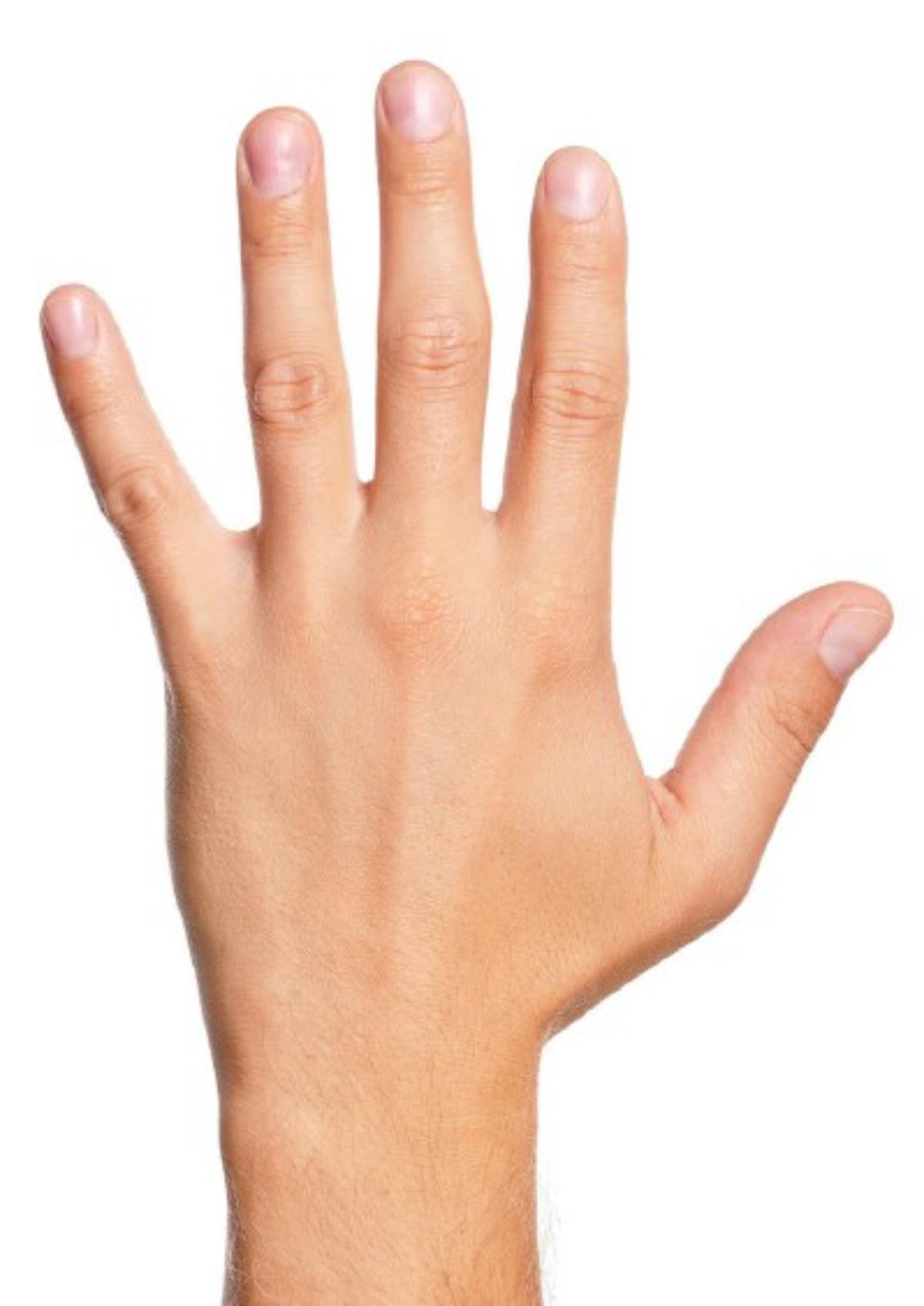
If you want to whiten your nails, you can do it the same way you can whiten teeth or hair—with hydrogen peroxide. Just soak some hydrogen peroxide into a cotton ball and dab it onto your nails. This can lighten them, making for a brighter appearance.
Cover your roots
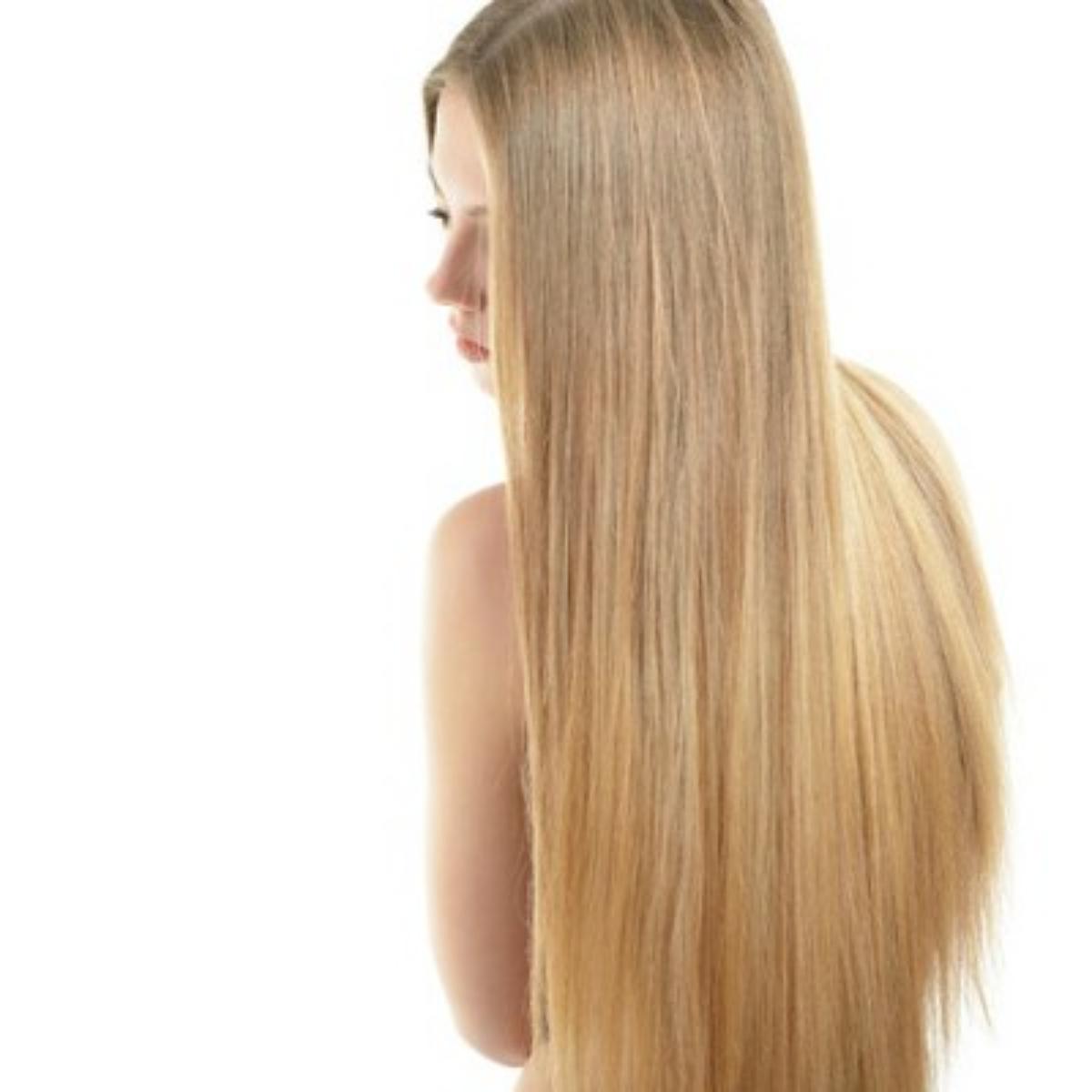
Are the roots of your bleached blonde hair starting to show their dark, natural color while they grow? Dab on some hydrogen peroxide let it sit for about half an hour, and then wash it out. This is often enough to conceal the roots (think of Margaret Houlihan from M*A*S*H*, who was always trying to hide the fact that she wasn’t a natural blonde and was, in fact, using the hydrogen peroxide she’d stashed from the medical supplies to cover up her roots).
… Or gradually lighten your hair

Covering your roots the quick and dirty way isn’t the only use for hydrogen peroxide in your hair. You can also use it to lighten your hair gradually over time. Mix equal parts hydrogen peroxide and water and add them to a spray bottle. Spray the solution into your hair, and then use a comb to help distribute it. Wait for it to dry, and that’s it. Just do this routinely, and your hair will gradually show blonde highlights. The nice thing about this is that it isn’t too harsh, and it also gives you control over how light you want to go since you can just do it a little bit at a time (if you’ve ever used Sun-In lightener, this essentially works the same way using the same active ingredient plus some lemon juice).
Disinfect your toothbrushes
Now and again, it’s a great idea to pour some hydrogen peroxide over your toothbrushes. This can help kill staph and other bacteria, which lessens the chance of it getting into (or getting back into) your mouth.
Soften calluses and corns
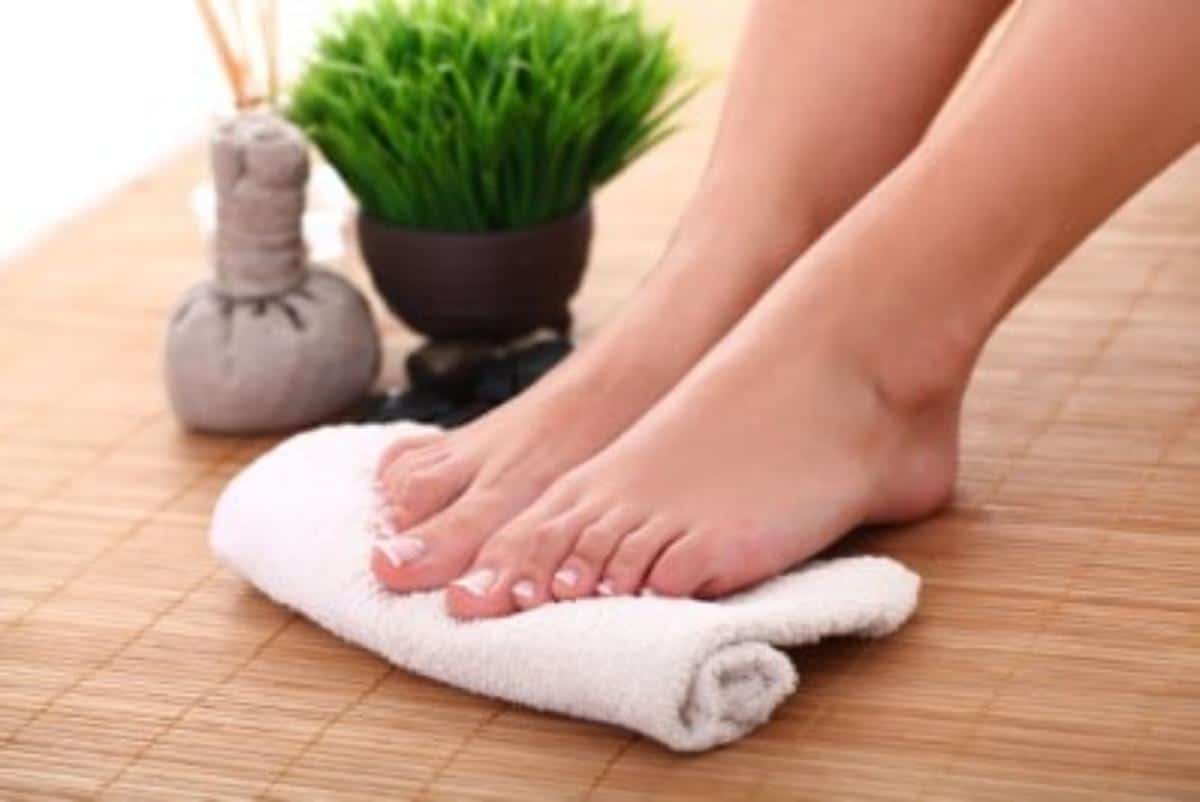
Have calluses and corns on your feet? You can soften them by soaking your feet in hydrogen peroxide and water.
Uses for Cleaning Around the House
Hydrogen peroxide as a disinfectant isn’t just useful on wounds or in your mouth; it is also very helpful for tackling surfaces around the home. This can help to prevent sickness or keep sickness from spreading. It can also get surfaces looking sparkling and clean!
Disinfect your countertops
In the bathroom, kitchen, and anywhere else in your house, you can quickly and easily disinfect your countertops using hydrogen peroxide. Mix it with water (in equal parts, as usual) in a spray bottle, and apply it directly to the surfaces you need to wipe down. Then just get a sponge and wipe them down, and you are good to go.
Whiten your grout
Nothing looks worse than grout, which has started to take on that dingy appearance from collecting dust and dirt and everything else to come along. To whiten your grout, first, make sure it is dry, and then spray peroxide directly onto it. Walk away and do something else for a couple of hours, and then come back with a toothbrush and soapy water. Scrub vigorously, and then dry it off. It should look white and clean and new!
Clean your mirrors
Do you hate the streaks that commercial cleaners leave on your mirrors? According to a lot of people who use hydrogen peroxide for cleaning around the home, hydrogen peroxide makes a great no-streak cleaning agent for mirrors. You can just spray it on and then wipe it down using paper towel. It will get rid of any bathroom germs that have made a home on the glass too.
Wash out your toilet bowl
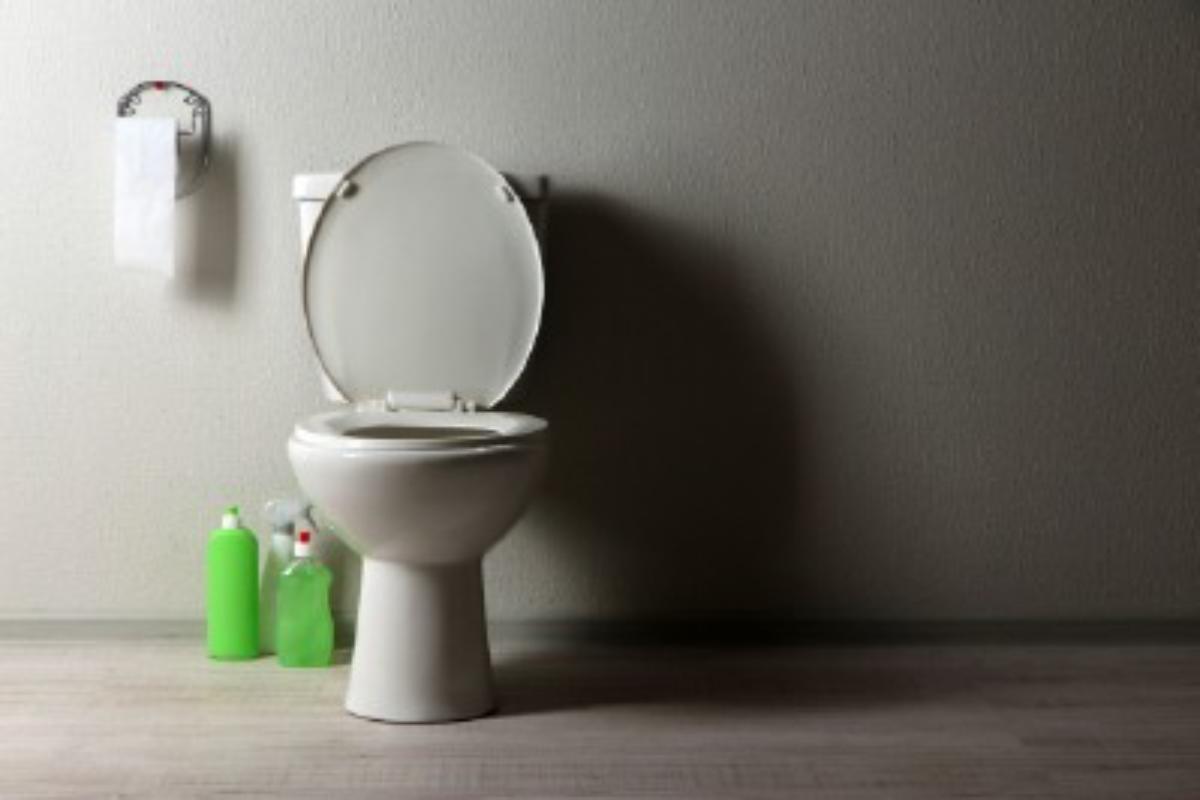
To disinfect your toilet bowl, pour in half a cup of hydrogen peroxide. Let it stand inside for twenty minutes. Then come back and scrub out the bowl with your toilet brush as usual, and flush. While you are at it, douse your toilet bowl brush in hydrogen peroxide. This will disinfect the brush and keep it clean and sanitary.
Clean your tiles
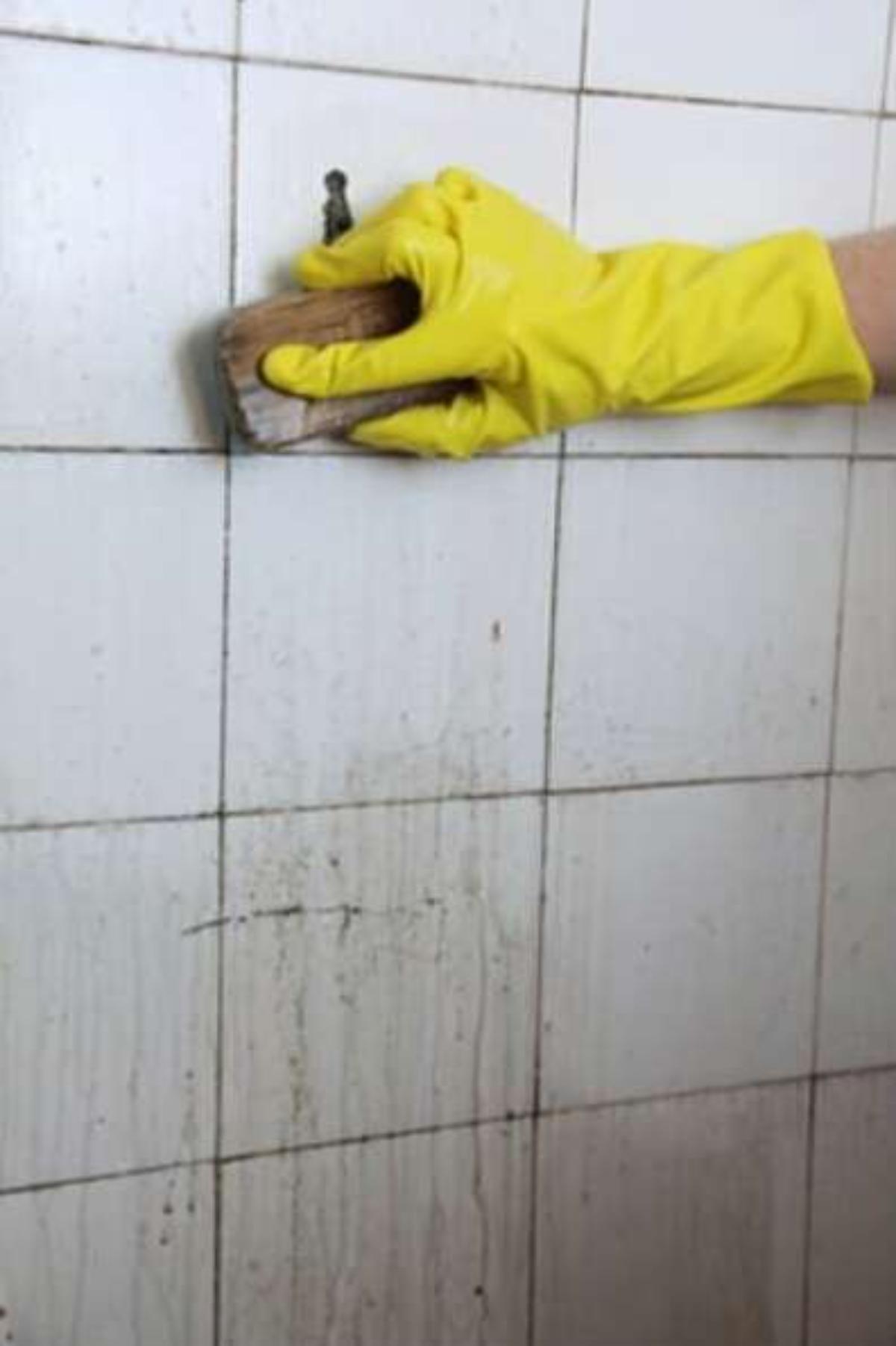
Tiles, like the grout, so often used to seal them, can become quite ugly quite fast when they accumulate stains and soap scum. Hydrogen peroxide helps to kill mold and brighten tiles, so it makes an excellent tile cleaner. To use it, just mix it up in a paste with flour. Apply it to your tiles directly, and then cover it with plastic wrap. Leave it sit overnight, and then come back the next morning and rinse your tiles until they are clean. They should be bright, shiny, and sparkly, just like new!
Kill mold
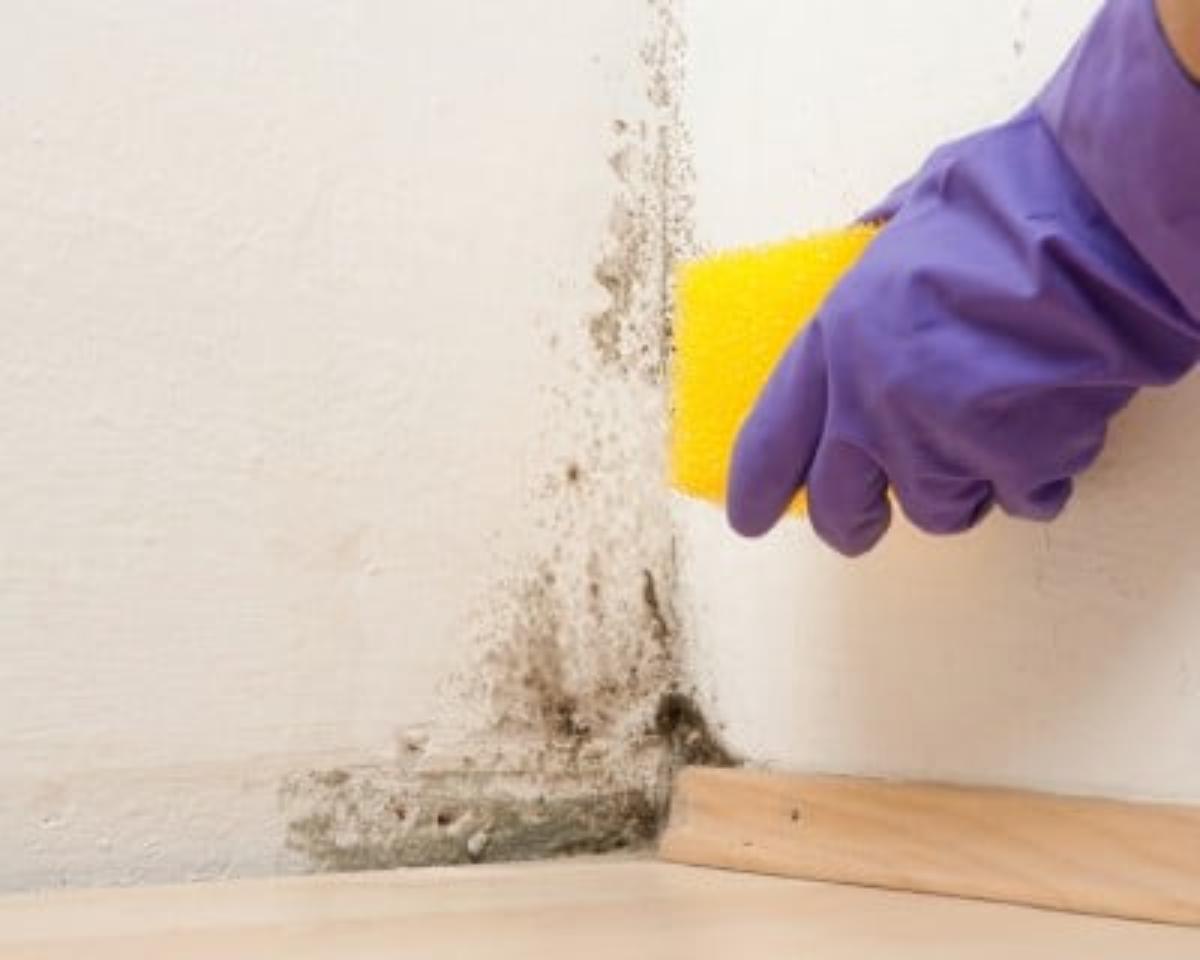
Anywhere you find mold in your house, you can apply hydrogen peroxide directly to the site and then wipe it clean. Hydrogen peroxide is effective against many different types of mold and can help to clean and detoxify a wide variety of surfaces.
Uses in the Kitchen
While hydrogen peroxide is great for cleaning all around the home, it is particularly handy in the kitchen, where it has many specific applications! Read on to discover them.
Clean a cutting board

Your cutting board is a place where germs can readily congregate, especially if you use it to chop meat. Rinse off your cutting board after you use it, and then spray it down with peroxide. This will take care of those germs before they get into other foods you are preparing or find their way onto your utensils.
Add it to the dishwasher
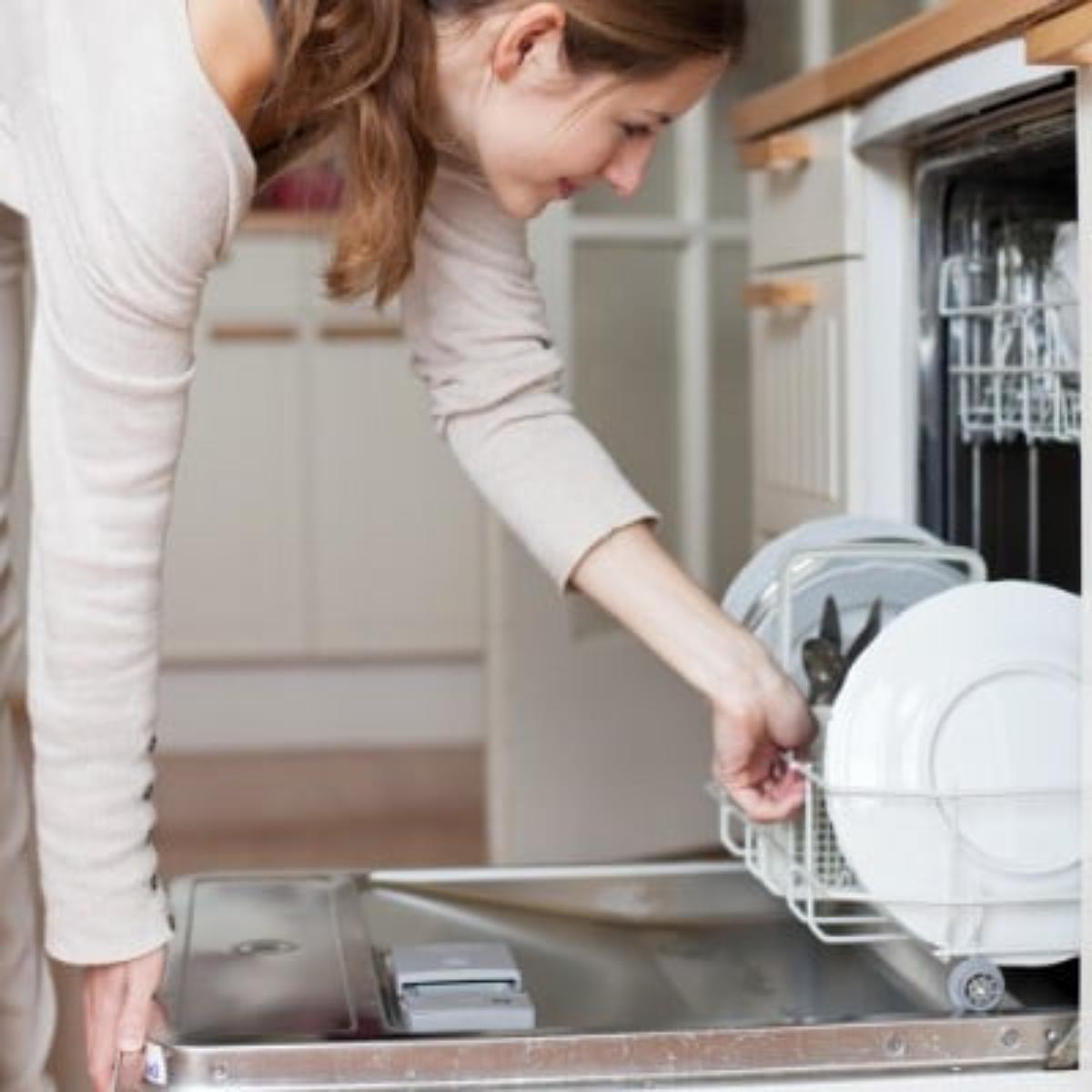
Want your dishwasher to do a better job? Try adding a couple of ounces of hydrogen peroxide to your dish detergent. While you’re at it, you can also add a little to your regular dish and hand soap to give them a boost. They will do an even better job at killing germs.
Get rid of stubborn caked-on food

Have caked-on food on your pots and pans that you are having a tough time cleaning out? Combine baking soda with hydrogen peroxide so that they form a paste, and then rub that onto the dirty dish in the problematic spot. Let it sit for a few minutes, and then come back and scrub it away with warm water. The baking soda acts as an abrasive while the hydrogen peroxide helps to break up the particulates. The stain should lift off with relative ease.
Disinfect your dishrags and sponges
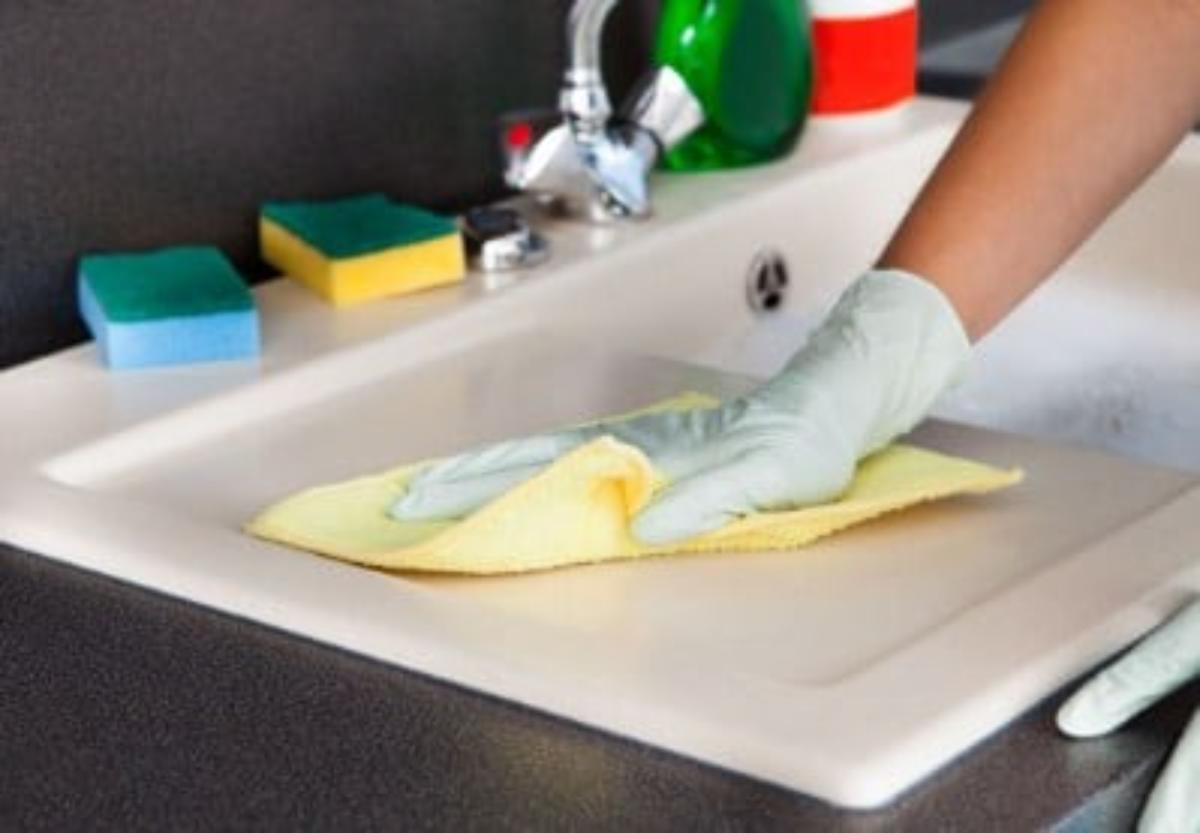
Dishrags and sponges pick up a ton of germs while you use them. And then, if you just leave them to sit, those germs can really multiply. Soak your dishrags and sponges in hydrogen peroxide or even just spray it on them while they are sitting in the sink, and watch them foam up. There are a lot of germs to kill! Doing this not only helps you to stay safe but also extends the lifetime of your sponges before you have to replace them. You may also be able to go a little longer between washings for your dishrags.
Clean your fruits and vegetables and keep them fresh

There are several different ways you can use hydrogen peroxide to clean your fruits and veggies and help them stay fresh. Get a spray bottle and add some food-grade hydrogen peroxide. Spray them, let them stand for a couple of minutes, and then rinse off the hydrogen peroxide and let them dry. You can then fill another spray bottle with vinegar and spray your fruits and veggies with that. The two work great for detoxifying your food. Want to preserve your fruits and vegetables so that they last longer? Pour a sink full of cold water, and then add a quarter of a cup of food-grade peroxide. Soak your vegetables for around 20 minutes. Rinse them, and let them dry. This will get rid of chemicals that may have been used in the growing process and also will preserve freshness.
Keep a salad fresh

Salads are delicious and very good for you, but they tend to go bad almost overnight. To keep your salad fresh a little bit longer, combine half a cup of water with a tablespoon of hydrogen peroxide (make sure to use food-grade, once again), and then spray this mixture on the salad. As you can see, this mixture is very much watered-down. That is very important (a note on that later).
Clean your fridge
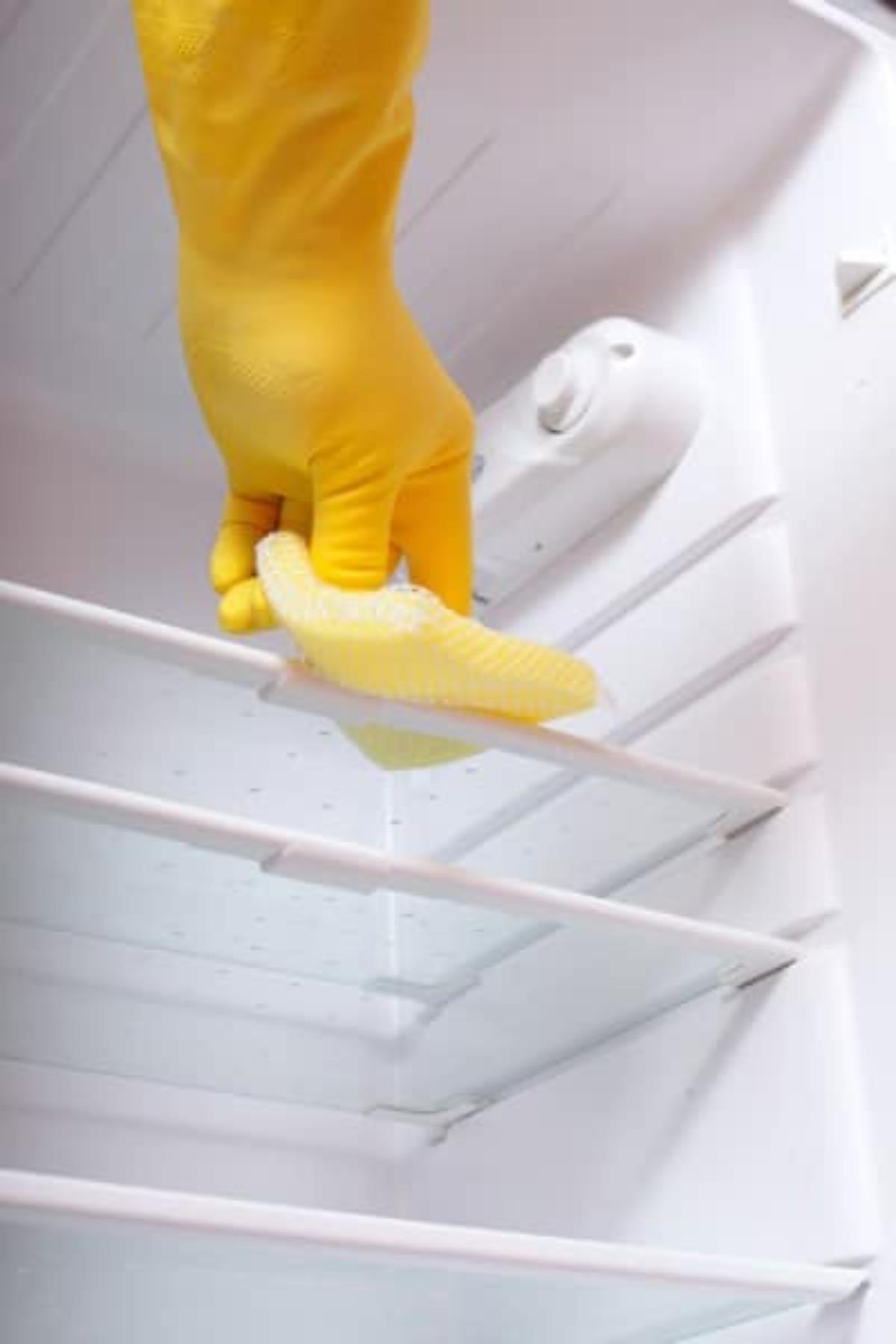
Want to get unpleasant odors out of your fridge and also disinfect everything? Wipe your shelves down with hydrogen peroxide. This will get rid of unsightly food stains and also kill germs. It should help to neutralize some odors as well. To deal with the rest, just add a box of baking soda.
Miscellaneous Uses
Here are a few more ways you can use hydrogen peroxide in the laundry room and in other areas of your house.
Clean your rugs and carpets
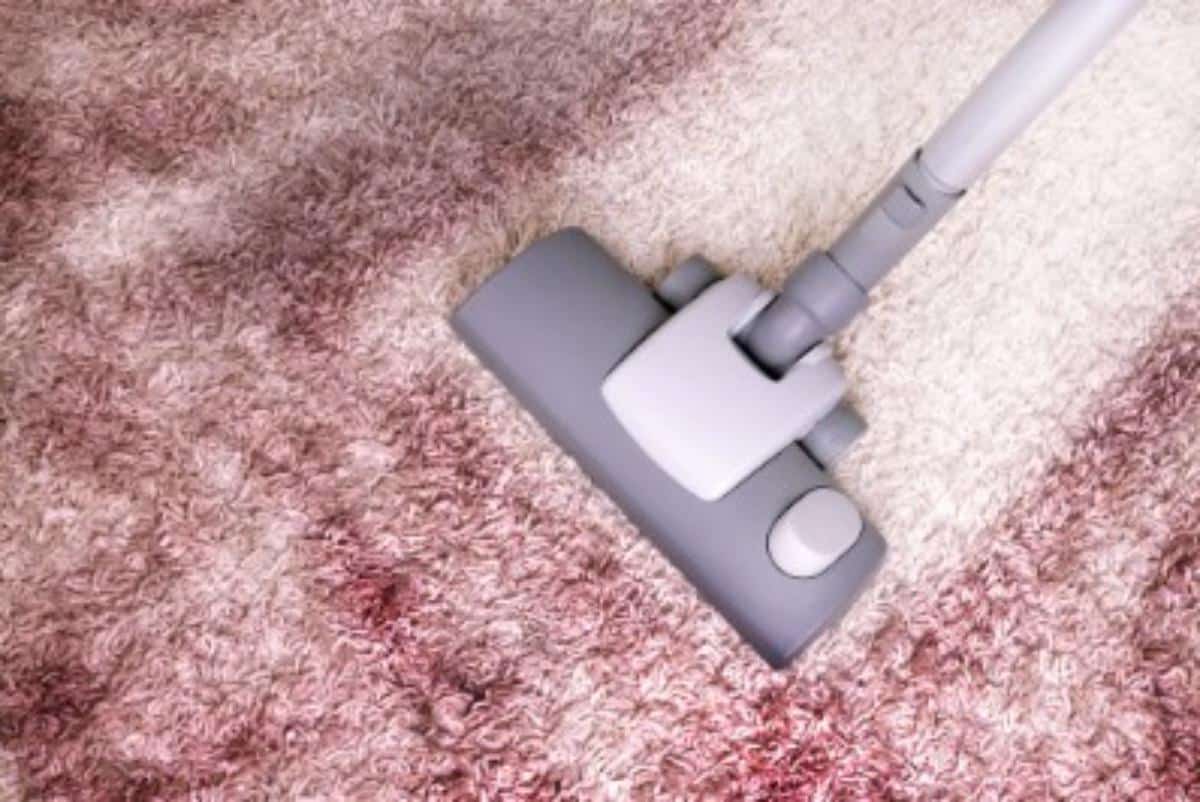
Have some tough stains on your rugs or carpets? Spray hydrogen peroxide on them to get rid of those unsightly food and mud stains. Be sure that you only do this on light-colored fabrics, though! If you try it on dark-colored carpets or rugs, you could end up bleaching them and creating a new unsightly patch instead! You may want to do a test first in a spot where no one is going to see it (inside a closet or under an item of furniture, for example). If you have a light or white-colored carpet, using hydrogen peroxide should be no problem.
Clean your kids’ toys

Children, particularly toddlers, tend to get spit all over their toys—yuck. This is not only a problem for you and for other children, but it is unsanitary for them, too. Use hydrogen peroxide to occasionally wipe down toys, toy boxes, and play areas. It is a safer cleaning agent to use around small children than many commercial cleaners since it will not cause lung irritations.
Replace the bleach in your laundry room
If you are looking for an alternative to commercial bleach for your whites, you can try using hydrogen peroxide in your wash. Soak fabrics for around half an hour, and you should be able to pull the yellowing out of your whites for a fresh, clean look. Just make sure to keep the stuff far away from your other garments so that you do not bleach them by mistake.
Brighten tablecloths and curtains
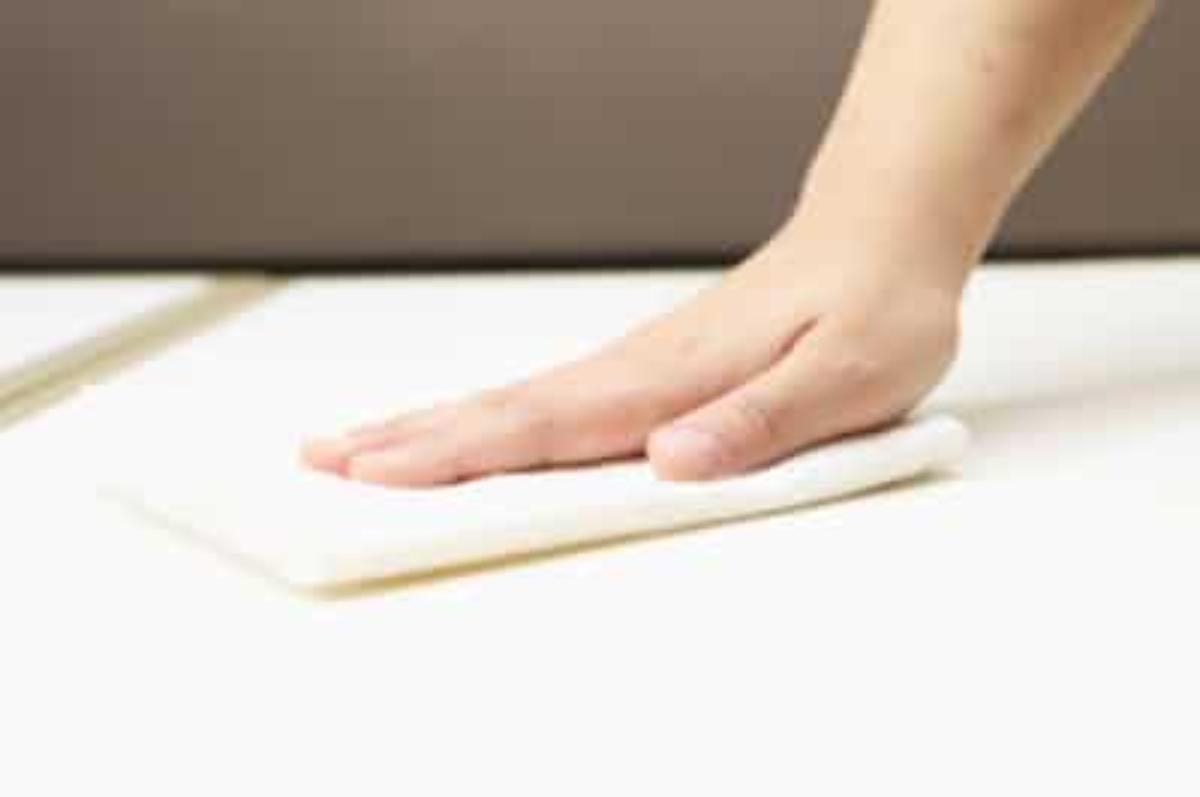
While you are at it, do you have any white curtains or tablecloths that have become a little yellowed or stained over time? Wipe the yellowed areas down with hydrogen peroxide. Alternatively, just throw them in the wash with the rest of your whites.
Wash your shower curtains
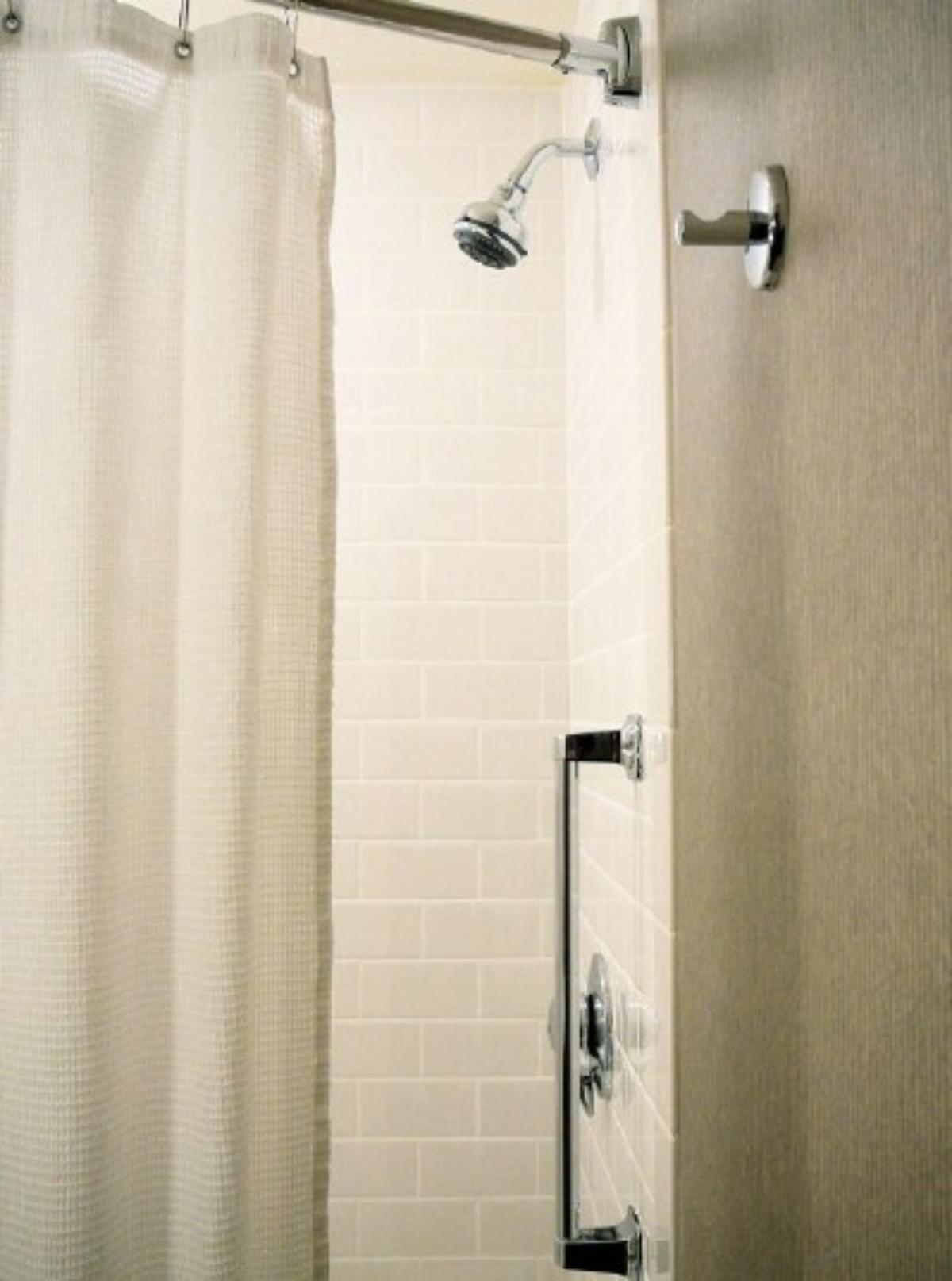
Don’t forget about the shower curtains! These love to pick up mildew and soap scum like it’s an extreme sport. Fight back by using hydrogen peroxide. If you have a shower curtain which can go in the washing machine, do it. Otherwise, you can do it by hand.
Remove tough stains from clothing
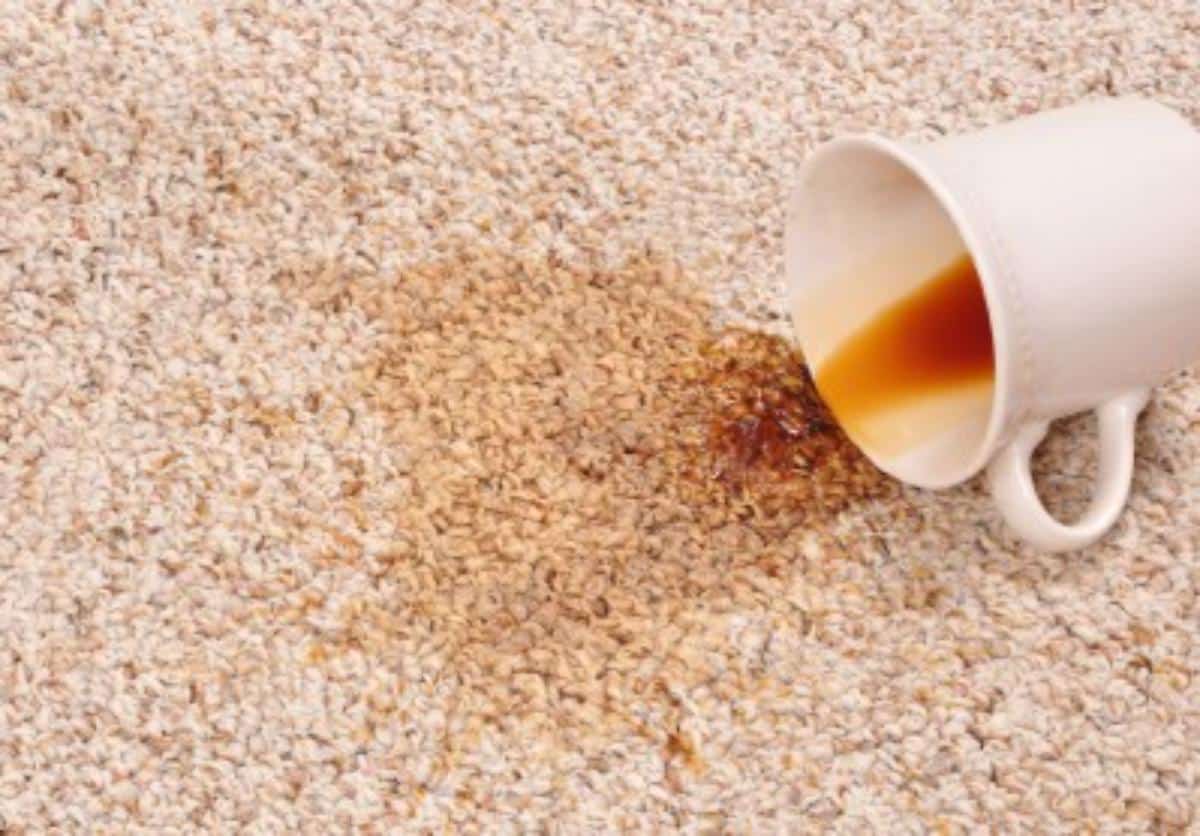
Certain types of stains are quite tricky to get rid of, in particular organic stains like blood. Sweat stains that form on the armpits of shirts can also be problematic. Hydrogen peroxide is great for tackling these pesky stains. Mix two parts hydrogen peroxide with one part detergent, and then use it directly on the stains you are trying to remove. As a reminder, you can only use this technique on light or white-colored clothing! Do not use it on dark or patterned cloth, or you will bleach your clothes.
Get rid of odors in your clothing

Are some of your clothes musty-smelling? You can get rid of these odors by washing your clothes in a mixture of hydrogen peroxide and white vinegar. This will get any unwanted smells out of your clothing fast. Only do this with light-colored clothes!
Disinfect children’s lunchboxes
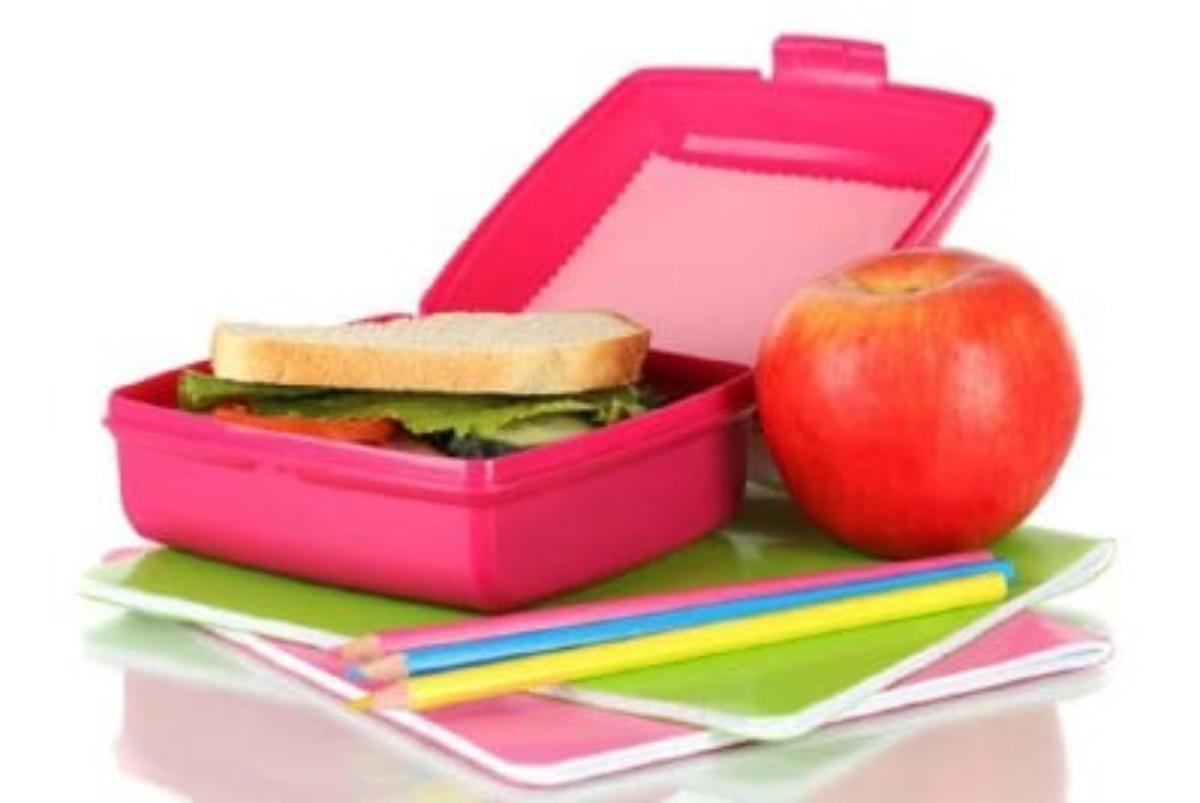
If your kids take their lunch to school in a lunchbox, you know how gross those lunchboxes can get over time. It is easy to overlook the buildup of food residue in these boxes because you don’t wash them every time. Once in a while, spray some hydrogen peroxide inside. Let it sit for a few minutes, and then rinse and wipe it down. This will disinfect the box and help keep your kid healthy.
Disinfect the inside of a cooler
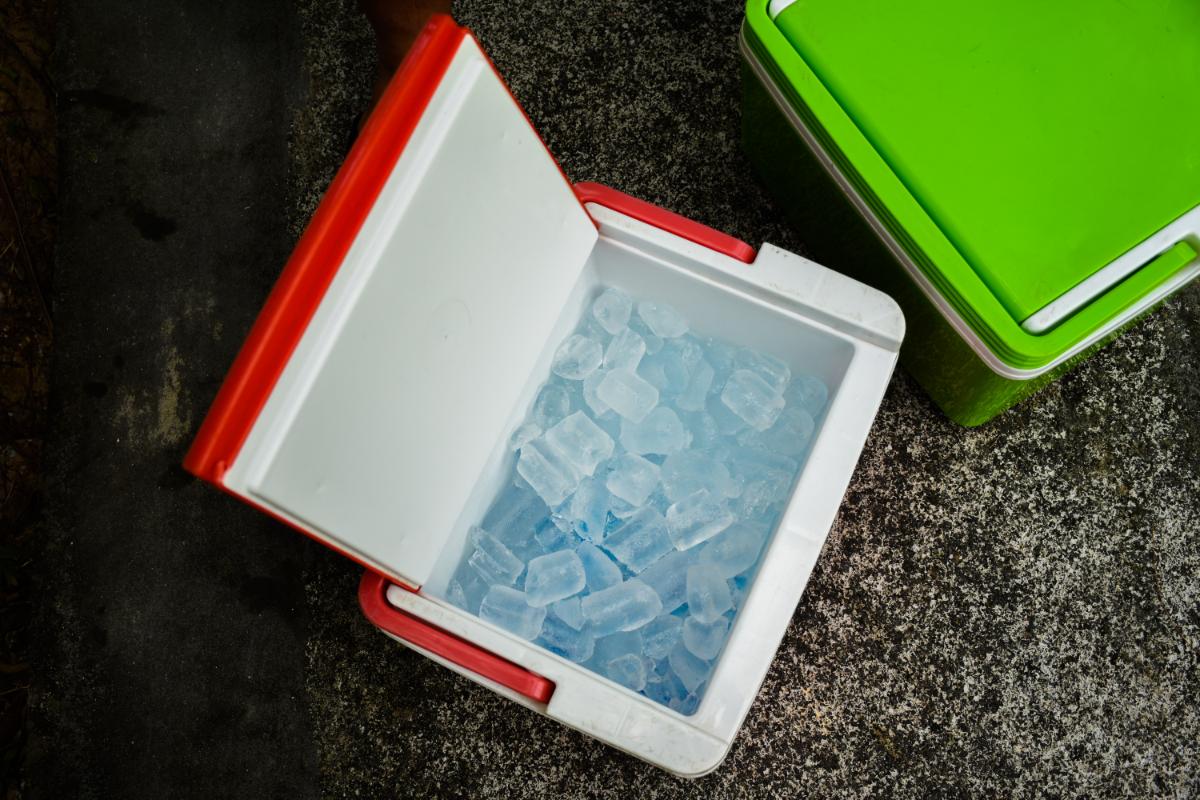
Coolers are subject to the same issues as lunchboxes. They tend to accumulate food residue and go neglected. You can wipe down a cooler’s interior the same way you can a child’s lunchbox. This will help keep the cooler sanitary.
Disinfect reusable bags
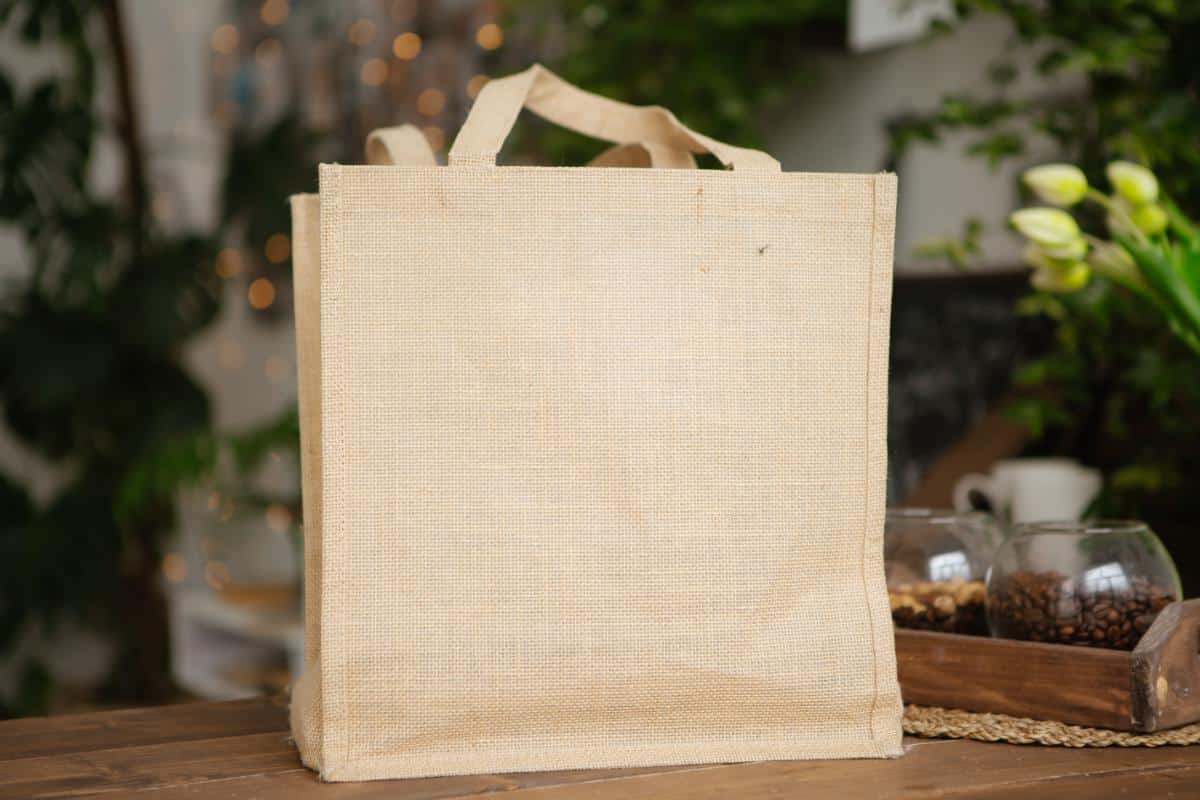
Do you use a reusable shopping bag in order to protect the environment? This is a great way to cut back on environmental waste, but you need to take steps to occasionally protect your health too. Now and again, you are going to want to turn your bag inside out, and spray some hydrogen peroxide solution on the fabric. This will disinfect the bag and also get rid of any lingering food odors.
Clean a dehumidifier (or a humidifier)
Dehumidifiers and humidifiers both have a tendency to accumulate mold buildup. If you let this get out of control, it becomes a sanitation problem fast. Now and again, run a hydrogen peroxide and water solution through your device to kill the mold inside. That way you will continue to process clean air.
Boost plant growth

One cool scientific fact about H202 which I forgot to mention earlier is the fact that it is found in rainwater naturally. Why? During a rainstorm, there is ozone in the atmosphere (O3). Now and again, the falling H20 (water) picks up an extra oxygen atom from this ozone. This converts it into H202. It turns out that this is one of the reasons that rainwater helps plants to grow faster!
You can soak your plant seeds in hydrogen peroxide to simulate rainwater. This will get rid of fungal spores and speed up the rate at which your seeds germinate. Use 1 ounce of peroxide for every 2 cups of water, and make it an overnight soak. Also, if you have plants that have been growing for a while, you can boost the health of their root system by occasionally spraying them with a mixture of hydrogen peroxide and water. Just use 1 part peroxide to 32 parts water. What a cool use for this handy compound!
Kill mites
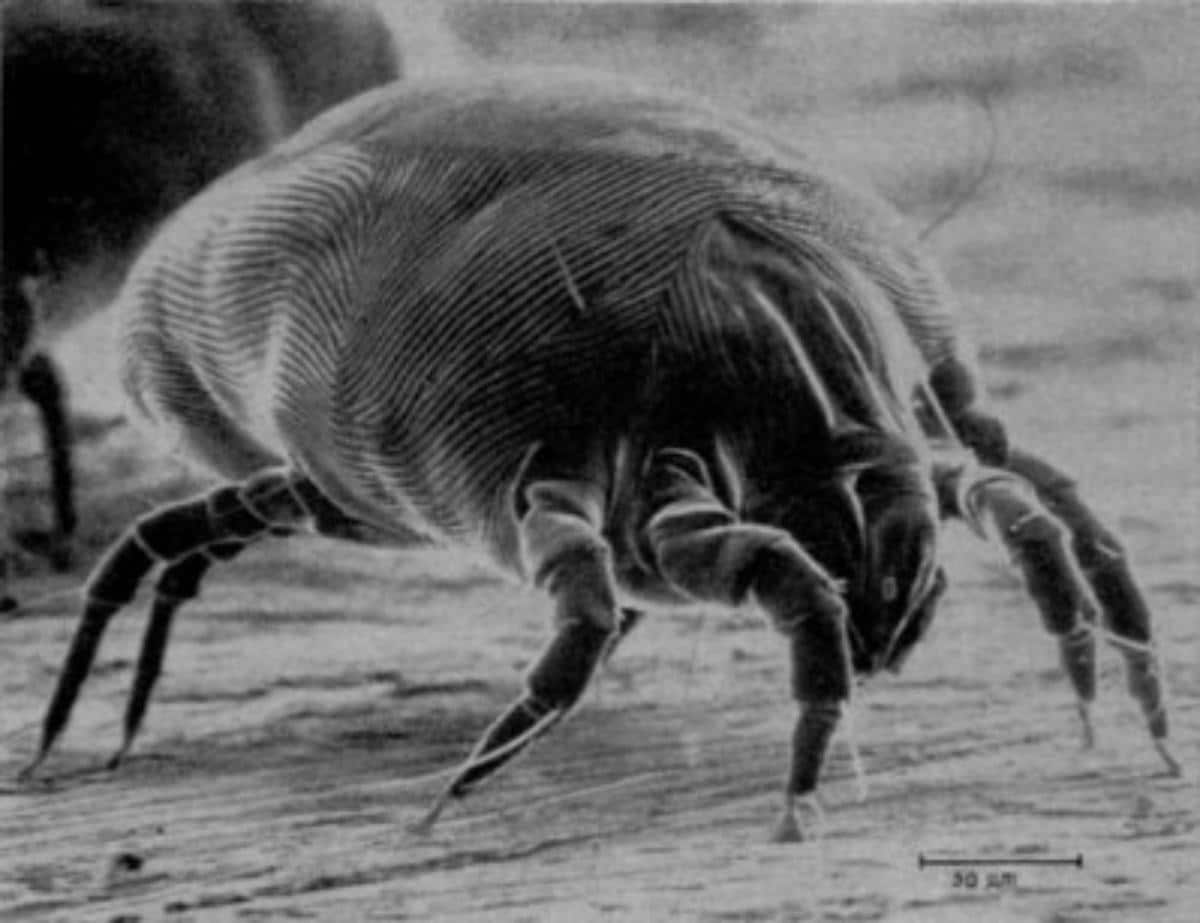
Mites are a pain wherever you find them. Wherever you do, spray some hydrogen peroxide. It’s a safe way to kill mites that won’t contaminate your home or outdoor environment.
Remove algae from an aquarium
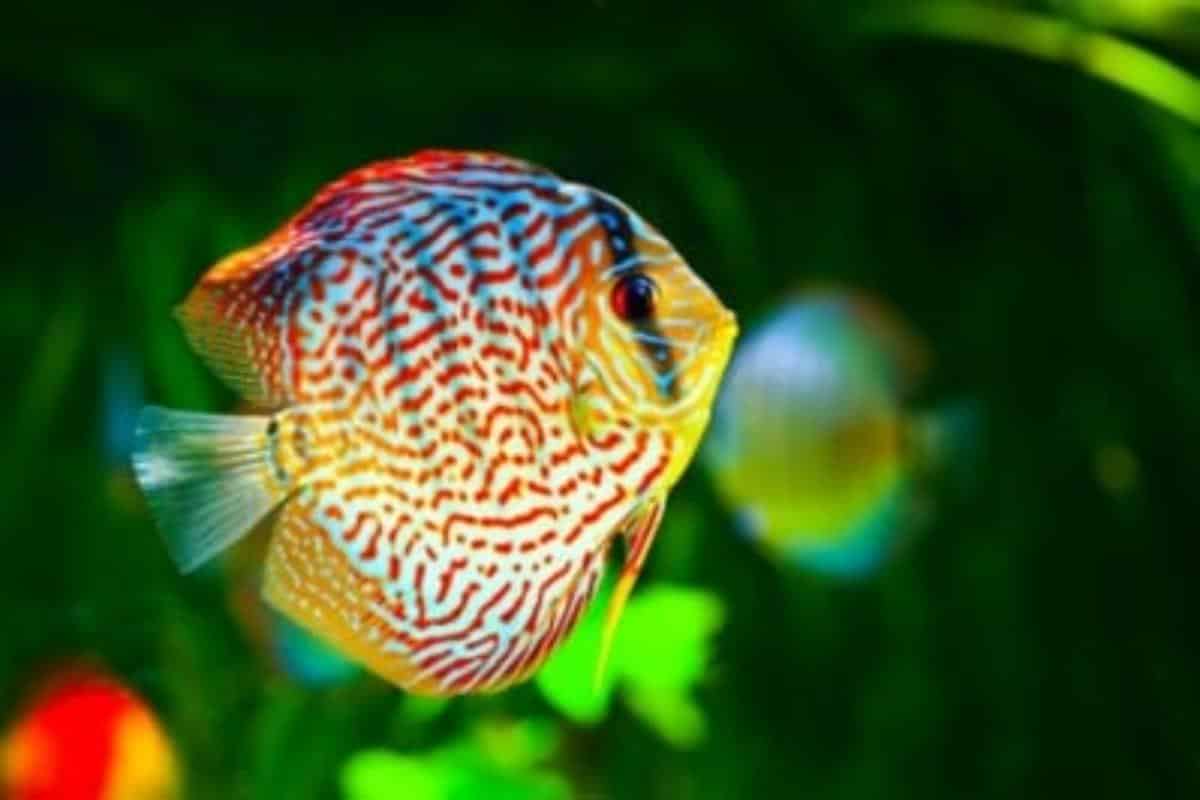
Have algae growing on the sides of your fish tank? One safe and effective way to kill it without harming your aquarium’s inhabitants is to use hydrogen peroxide. This must be done with great care! You want to use around 60 ml of 3% hydrogen peroxide per 250 liters (that’s 66 gallons) of tank water. Add it with a dropper or a syringe slowly over the course of about five minutes. Apply it directly to the clump of algae if you can. Once the H202 lands on the algae and reacts with it, killing it, it will dilute rapidly, converting into H20 plus free oxygen.
Be aware that some aquarium plants may not handle this well. And if you add too much, you will oxidize (and kill) your aquarium’s inhabitants, including fish, snails, shrimps and frogs. As an interesting anecdote, people have been adding barley straws to their aquariums for quite a long time to kill algae. It is believed that this works because the barley slowly releases hydrogen peroxide in small amounts.
Add oxygen to a bag while transporting fish
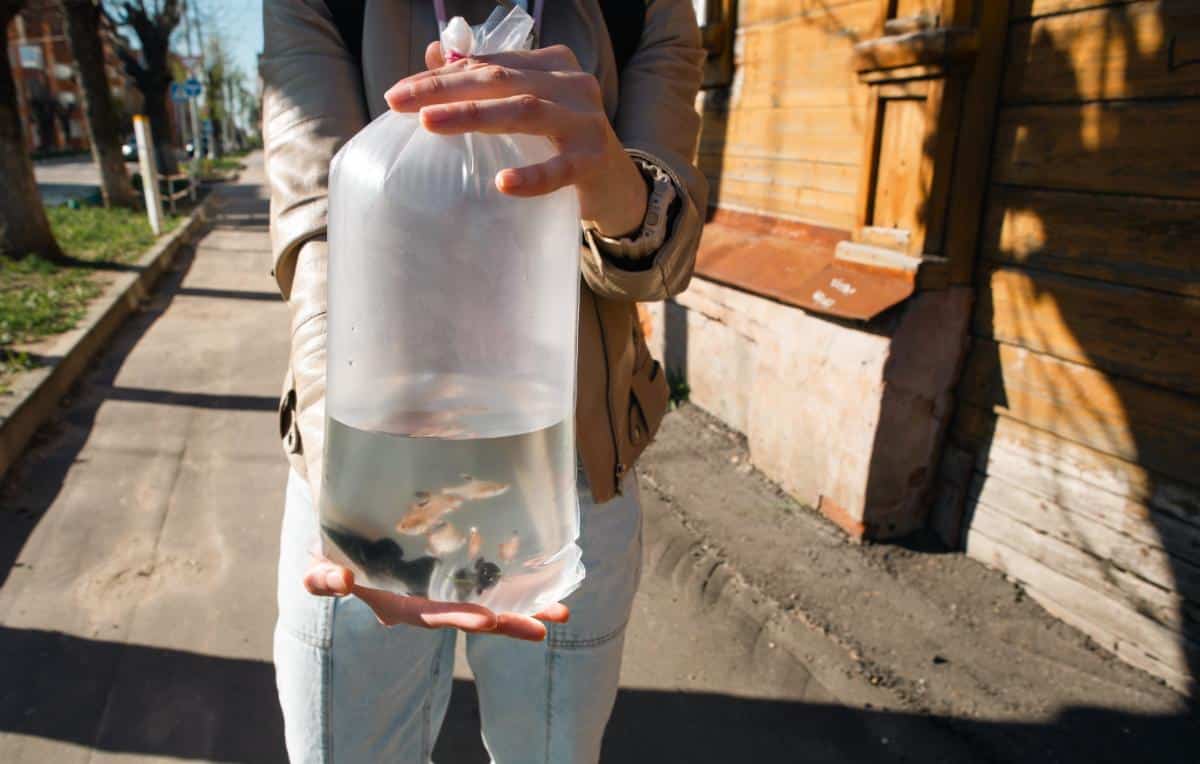
Are you transporting fish in a bag? You can make this process safer and more comfortable for your fish by adding H202 to the bags. Do not use the liquid hydrogen peroxide recommended for the other applications in this article. Instead, go with the little white tablets, which dissolve for a controlled release of oxygen. Note that if you have a gasping fish, you can sometimes save it by adding a five-times dose of the liquid hydrogen peroxide. This is a measure of last resort, but the oxygen boost sometimes is enough.
Treat wounds in animals
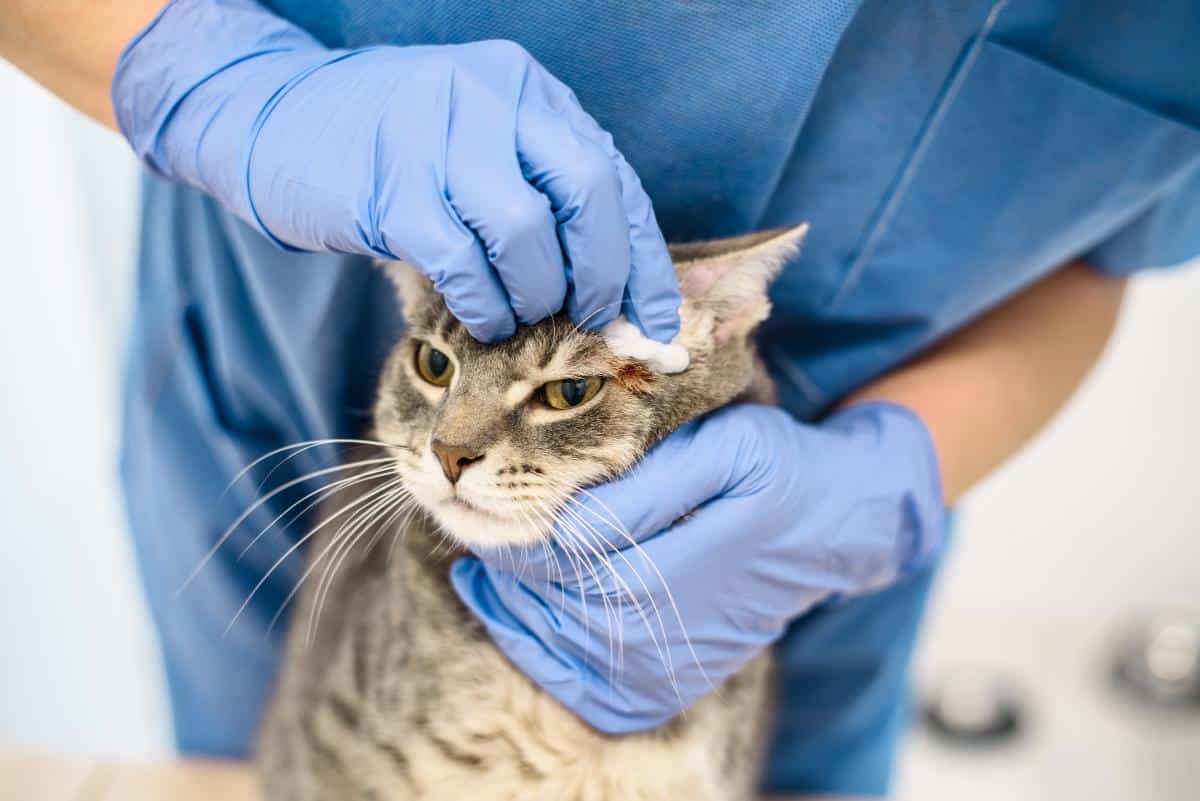
Just as hydrogen peroxide can be used to treat human wounds, you can also use it to treat wounds on your pets. Believe it or not, this also includes fish—just not very small ones. If you can dab it on carefully, it will remove dead flesh and help to kill the bacteria. Balance this with the risk of stressing the fish, though; if you stress the fish out too much, it may not be worth it, and you have to get it back into the water fast.
Induce vomiting to save the life of a pet

If your pet swallows something toxic, you may be able to save its life by inducing vomiting with the aid of 3% hydrogen peroxide. This works well for dogs, cats, pigs, and ferrets. It does not work for rodents, horses, rabbits, birds, or ruminant species. Start by offering your pet a small meal; this makes it more likely your animal will vomit. If he doesn’t eat it, just move on to the next step. Measure hydrogen peroxide out as follows: 1 millimeter per pound of weight (with a small critter like a ferret, half a teaspoon is usually sufficient). Use a syringe or turkey baster to squirt it into the back of your pet’s mouth. Vomiting should ensue within 15 minutes. You can try this one more time if it fails the first time. If it fails again, it’s time to call the vet.
And finally …
One Thing You Should Not Do With Hydrogen Peroxide
Hydrogen peroxide works great topically and in a few other ways to tackle health problems, but one thing you should not do is ingest it. There are alternative health practitioners who recommend hydrogen peroxide for all kinds of conditions—everything from the flu to cancer. The idea is that by consuming hydrogen peroxide on a daily basis, you will be creating an oxygen-rich environment where pathogens cannot survive. Your body actually produces some hydrogen peroxide on its own naturally as part of your immune response. So the thinking goes, “If that works, then why not produce more?”
So why shouldn’t you do this? Your immune system produces hydrogen peroxide, yes, but it does so in such a way that the hydrogen peroxide cannot damage other body cells. It is contained inside a compartment called a phagosome. When you imbibe hydrogen peroxide, it is free and, therefore, can damage any tissue in your body through oxidative stress. This actually may be one of the causes of cancer. So, you could actually make things worse for yourself by taking H202 orally. Plus, large doses, even at the 3% concentration, can cause oral blistering, abdominal pain, diarrhea, and vomiting. Taking it intravenously is just as bad.
The Bottom Line: Hydrogen Peroxide is Amazing!
Even though you cannot take hydrogen peroxide orally to treat health conditions, it works great to treat minor wounds, ear infections, colds, sinus infections, toothaches, yeast infections, and more. Its uses for beauty and hygiene are extensive, and it’s a wonderful cleaning and disinfecting agent to use around the house, especially in the kitchen. Hydrogen peroxide is so amazing you can even use it to save a pet’s life in a tight spot. Do you know any exciting uses for hydrogen peroxide that we haven’t discussed? Share them with us in the comments below!




Rose
I have used peroxide (3%) for years for minor cuts and works wonderfully. Never any harm to my skin and healing is much faster. Also never any problem using it as mouthwash, either undiluted or half water.
Heather
I used peroxide to magically clean our dirty grout all over the house! Just poured it directly on the grout, 10 seconds later I used a toothbrush to easily scrub, hen wiped up with a towel.
We also used it to clean the shower mold and mildew.
Eric Wingerson
Acne and Rosasia treatment. I have used a 10% hydrogen peroxide soap that used to be sold as Panoxyl 10, but is not made under that brand any more x as a squeeze soap, which is not very frugal. I wash in the shower. I always use white towels since it can bleach out colors. Leave it on for the duration of the shower and then rinse off well.
It was recommended by a dermatologist I worked with in 1988 and is the best for avoiding infected follicles.
Do you have a comment on using it while clothed, ie does it beach out clothing?
Very nice discussion and comment section Thanks to all.
Josephine
I have seborrhea dermatitis. Can I safely treat my scalp with hydrogen peroxide? If so, what % and how much and often?
Anonymous
Peroxide only oxygenates organic material, your pipes will be fine, I use it to clean out the drains in my house it breaks down food waste in the disposal and also mold and fungus that build in your pipes, just do not apply it if you use alcohol in the area.
Mary D
I've been using it to remove bad discolouration from my husband's grandmother's beautiful old cream china. I used 6% strength. Soak the plates for around 24 hours. Then remove carefully and put individually into a cold oven. Turn the heat up to around 80-90 degrees centigrade (it mustn't go up to 100 degrees) and leave the plates in there for about 45 minutes. All the grime and grease that has collected UNDER the varnish starts to bubble out - the plate can then be rinsed and used again - with no damage to the varnish. It is miraculous - if a little time consuming - as I can only 'cook' 2 plates at a time. But well worth it to restore them to their former glory. It also works well to remove stubborn tea and coffee stains in cups and mugs. Thanks for all your other tips - it's a revelation!
Marie
Can I use hydrogen peroxide for sanitizing water well and how much would I use.
EMIly
Just an FYI
HYDROGEN PEROXIDE COMBINED WITH VINEGAR...
WILL EXPLODE!!!!
Do NOT Ever combine these 2 items together!!!
Rondi Johnson
Could you use hydrogen peroxide to lighten dark spots on face?
Susan
Great interesting uses. I will be trying them.
Marisa
Great information, thanks for sharing.